

Stablecoins began as a bold experiment a way for cryptocurrencies to offer stable, usable money that could bypass traditional banks. The idea was simple: combine the stability of fiat currency (like the US dollar) with the speed, accessibility, and decentralization of blockchains. Over time, stablecoins looked like the perfect tool for peer-to-peer payments, global transfers, […]
Stablecoins began as a bold experiment a way for cryptocurrencies to offer stable, usable money that could bypass traditional banks. The idea was simple: combine the stability of fiat currency (like the US dollar) with the speed, accessibility, and decentralization of blockchains. Over time, stablecoins looked like the perfect tool for peer-to-peer payments, global transfers, or digital commerce without middlemen.
But today, a different picture is emerging. As regulators in the U.S. and Europe push for oversight and compliance, stablecoins are evolving into something much closer to banks than disruptors. Rather than replacing banking infrastructure, many stablecoins are turning into digital equivalents of bank accounts centralized, reserve-backed, and subject to regulation.
Why is this happening? Increasing regulation around stablecoins demands they hold reserves (often cash or government bonds) and follow strict transparency and compliance rules. Essentially, stablecoin issuers are being forced to operate more like financial institutions than decentralized crypto projects. As a result, stablecoins end up offering many of the same benefits and facing many of the same obligations as banks.
At the same time, stablecoins are being woven deeper into traditional financial infrastructure. Cross-border payments, corporate treasury management, and remittance services are all using stablecoins because they’re fast, programmable, and less friction-filled than conventional banking channels. In emerging markets or places with unstable local currencies, stablecoins function as digital-safe havens drawing even more users into their fold.
Furthermore, many financial institutions themselves are not fighting against stablecoins they’re joining in. Banks and payment companies are exploring issuing their own stablecoins or integrating stablecoin rails for payments and settlements. The line between crypto and banking is blurring fast.
The irony is clear: stablecoins were built to displace banks, but under today’s regulatory and financial dynamics, they’re quietly evolving into digital banks themselves just under a new name.
While stablecoins still bring speed and tech-driven innovation, they’re slowly adopting banking’s core characteristics: reserves, compliance, centralised structure, and regulated liability. That might mean less of the raw decentralization early adopters envisioned but it also increases stability, compliance, and perhaps mainstream acceptance.
In the end, stablecoins might not overthrow the banking system. Instead, they could become its digital upgrade faster, borderless, and code-driven, but still structured like the banks they once aimed to outgrow.

Iran’s Five Demands Show This War Is Moving Further From Peace, Not Closer
1 min read · 25 Mar 2026

A $200 Billion Iran War Bill Shows Just How Big The Stakes Have Become
1 min read · 23 Mar 2026

War Between the U.S., Israel, and Iran Escalates as Conflict Enters Third Week
1 min read · 16 Mar 2026

Venice Biennale Under Fire Over Russian Presence
1 min read · 14 Mar 2026
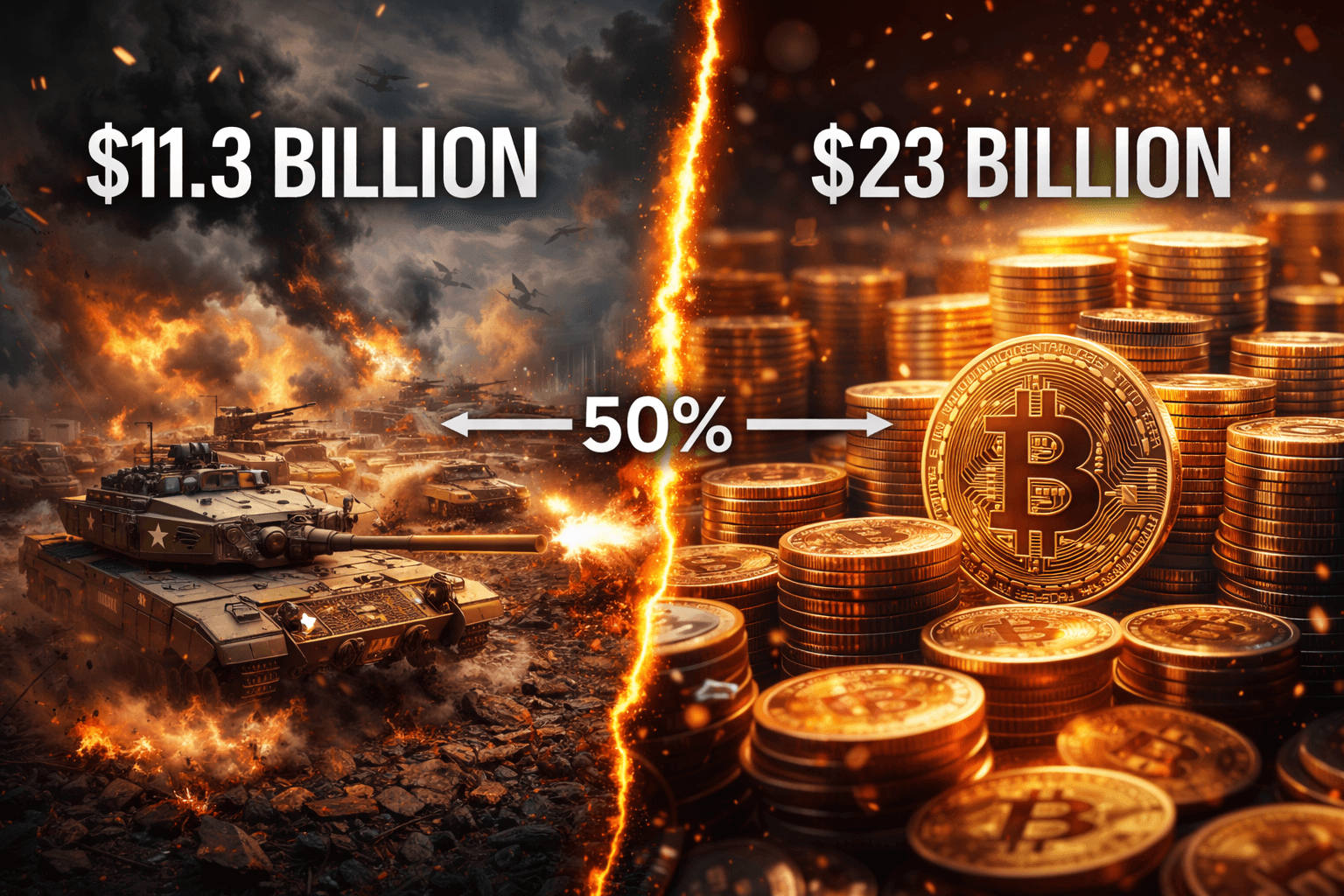
Iran War Spending Equals Half the Value of the U.S. Bitcoin Reserve in Just Six Days
1 min read · 14 Mar 2026

Prosecutors Push to Retry Tornado Cash Co-Founder Even as Washington Softens on Crypto Privacy
1 min read · 12 Mar 2026

Forget CPI and ETFs Oil Prices May Now Be the Biggest Signal for Bitcoin
1 min read · 8 Mar 2026

How SK Telecom Is Rebuilding Itself Around AI at MWC 2026
1 min read · 3 Mar 2026

Dubai and the UAE on the Frontlines: How the Iran Israel Conflict Has Reverberated Across a Global Hub
1 min read · 3 Mar 2026

US and Israel Military Strikes on Iran and the Escalation of Conflict in the Middle East
1 min read · 28 Feb 2026