

V.social is being shaped as more than a social platform. The bigger idea is that it could become an operating system for creators by pulling together publishing, community, live engagement, and monetisation in one place. That vision is still part visible product and part broader platform ambition, but it speaks directly to the biggest problem creators face today: building everything on disconnected and unstable ground.
For a long time, the promise of the internet felt simple. Build an audience, make good content, keep showing up, and eventually something starts to click. But for a lot of creators now, that dream feels heavier than it used to. The work is no longer just making something worth watching, reading, or listening to. The work is also editing for different formats, posting across different apps, chasing shifting rules, trying to understand invisible ranking systems, and managing the stress that comes when reach can vanish for reasons nobody fully explains. In the material you supplied, that pain is described as a disconnected creator stack made up of separate tools for editing, branding, email, automation, tracking, and audience engagement, and that picture feels familiar because it is familiar.
This is not really a story about whether one app is better than another app. It is a story about fragmentation. A creator can have followers on one platform, subscribers on another, livestream viewers somewhere else again, and a newsletter audience living in a totally separate system. Money comes through different dashboards. Analytics live in different windows. Community conversation happens in scattered pockets. Even direct support tools are often platform-specific. Big platforms are still trying to improve creator payouts, with YouTube continuing to support fan funding features like Super Chat and Super Stickers, and Meta still experimenting with creator monetisation programs to pull talent toward its ecosystem. But that only underlines the real issue. The modern creator economy is large, busy, and still deeply fragmented.
V.social’s public facing pages already show a shape that is more creator-centred than a plain scrolling feed. The platform openly presents sections for Home, Clips, Videos, Live, Articles, and News. It invites people to sign in to interact with content, follow creators, and build a personal library. Its live section includes real-time chat and category browsing, while its video and feed pages show creators, channels, topics, and suggested follows. Most importantly, the public site itself uses the phrase “the creator’s operating system.” That wording matters because it is not describing a single content format. It is describing a layer that wants to sit underneath how creators publish, organise attention, and build repeat engagement.
An operating system is not just a place where something appears. It is the thing that lets everything else run. That is why the phrase is so powerful here. In the creator notes you uploaded, v.social is framed not as another destination app fighting for scraps of attention, but as infrastructure for creator life itself. The vision described there includes audience ownership, posting once and distributing more widely, unified monetisation, private communities, live support through super chats, embedded creator spaces, creator education, and data that gets more useful as the network grows. That is a much bigger ambition than being a social feed. It is closer to trying to become the control panel for a creator business.
The oldest wound in the creator economy is not low views. It is dependence. A creator can spend years building a following and still not truly own the relationship. One algorithm change, one moderation shift, one ranking tweak, and the connection weakens overnight. In your supplied material, this is where v.social makes its boldest promise. The argument is that creators should own their audience rather than renting access to them from giant platforms, and that communities should be built in a way that feels more stable, direct, and transferable over time. That is a strong idea because it speaks to the deepest fear creators have, which is not obscurity. It is building on rented ground forever.
A lot of platforms talk about free speech, but that phrase can get blurry fast. What stands out in the v.social material you uploaded is that the bigger point is not just speech. It is choice. One of the core lines in those notes is that free speech does not mean forced attention. That sounds simple, but it changes the frame. Instead of saying everybody must be amplified, the idea is that everybody should be able to speak while communities and individuals still choose what they give their time to. That turns the conversation away from entitlement and back toward trust, relevance, and shared interest. In a world where algorithmic pressure has shaped so much online behaviour, that is a meaningful philosophical shift.
The reason creators may respond to this idea is that the best platforms do not just distribute content. They reduce stress. They make the work feel more coherent. V.social’s public site already suggests a broader content environment than many single-format apps, with clips, longer videos, live streams, articles, news, and creator following all living inside one public structure. The uploaded strategy material then extends that into a bigger picture where a creator could use one main environment as a base camp instead of juggling half a dozen separate tools and hoping the pieces stay connected. Even where some of those features still read more like ambition than fully visible public product, the direction is clear. The goal is simplicity on the creator side and stickiness on the audience side.
Most creator platforms talk a lot about expression and community, but money is where the model either holds up or falls apart. That is why the uploaded v.social notes spend so much time on monetisation. The pitch is that creators should not have to split their income across too many disconnected systems, nor accept heavy platform cuts while doing most of the work. The material points toward a world of unified subscriptions, direct support, private community access, super chats, and cleaner payment flows. Not every part of that is independently visible on the public site today, so it is best read as roadmap and positioning rather than all being proven public functionality right now. But the broader need is absolutely real. The market has already shown there is demand for fan funding, paid communities, and direct audience support. What v.social is really betting on is that creators want those tools gathered into one home instead of scattered across the internet.
For years the industry talked as if discovery was the whole game. Reach became the obsession. Virality became the myth. But the ground has shifted. What matters more now is not whether millions see something once. It is whether the right people come back again and again. That is why the community-first language around v.social matters so much. Your uploaded documents keep returning to the same idea: that a creator is not just a content machine, but a builder, educator, organiser, and host. Once you see it that way, the platform starts to look less like media and more like membership. The public site’s mix of following, libraries, creator pages, live sessions, and content categories fits that direction. A strong community does not just boost engagement. It lowers churn, supports monetisation, and gives creators something algorithms cannot easily take away.
A platform like this does not need to win by becoming everything for everyone on day one. In fact, it may work best if it becomes highly useful for specific kinds of creators first. The uploaded notes make that point well through examples like treasure hunters, golf coaches, cake decorators, retired dancers, sports fishermen, woodworkers, and nature guides. The pattern behind all of them is the same. Start with real knowledge. Share it consistently. Turn trust into identity. Turn identity into community. Turn community into products, services, support, and recurring revenue. That is a sensible model because niche creators are often the most punished by fragmented platforms and the most rewarded by high-trust audiences. They do not need random mass attention as much as they need a stable place to gather their people.
Even without the bigger strategy claims, the public site gives some useful clues about direction. It shows a content mix that spans entertainment, finance and crypto, gaming, lifestyle, news, politics, sport, podcasts, music, vlogs, and more. It also shows suggested creators, trending videos, news integration, and multiple content surfaces rather than one central feed. That matters because it suggests v.social is trying to support different creator behaviours inside one ecosystem instead of forcing everyone into the same format. A creator who wants to post a short clip, publish a longer video, go live, or sit inside a topical news layer is being pointed toward a broader media environment, not a single rigid lane. That is closer to an operating system mindset than a single-use app mindset.
This is the part every new platform has to face. A strong idea is not enough. Creators do not just need philosophy. They need outcomes. They need reliability, discoverability, clean publishing, good playback, stable payments, active communities, and enough momentum to make participation feel worthwhile. There are already signs of product development on the public side, including integrated video improvements and active posts appearing on the platform in recent months. But building creator habit is one of the hardest things in tech because creators are busy, protective of their time, and rightly sceptical. If v.social wants to become a true creator operating system, it has to do more than sound different. It has to save time, reduce friction, and make creators feel more secure than the old stack does.
If v.social succeeds, the significance will go beyond one platform. It will signal that creators are no longer satisfied with platforms that only offer attention while keeping control. It will show that the next era is about ownership, portability, community depth, and monetisation that feels more direct and more human. That is the deeper message sitting inside your notes. The phrase “creator operating system” is not just branding. It is a rejection of the old fragmented model. It says creators should not need one place for visibility, another for income, another for subscriptions, another for live support, and another for community. It says those functions should begin to work together in a way that feels like an integrated business layer rather than a patchwork survival kit.
Being early still matters online, especially when a platform is shaping its culture and its early norms. Your supplied material leans hard into that point, and with good reason. Early creators often gain something later arrivals cannot easily copy, which is identity inside the platform itself. They are not just another account. They become part of the place’s memory. The public beta atmosphere described in your documents fits that pattern. People who join early are not only testing tools. They are testing culture. They are setting tone. They are deciding whether this becomes a noisy platform, a strong community platform, or something in between. For creators who feel late everywhere else, that kind of timing can be extremely attractive.
Underneath all the product language, this is the emotional centre of the story. Creators are tired. They are tired of platform hopping, tired of uncertain reach, tired of rebuilding the same relationship in five different places, and tired of feeling like their audience belongs to a system more than it belongs to them. V.social’s bigger appeal is that it tries to answer that fatigue with structure. Not just with content tools, but with the promise of a home base. A place where publishing, following, live engagement, community, and monetisation could start to pull together rather than drift apart. That promise is still partly a vision and partly a visible product, which is important to say honestly. But the need it speaks to is already here, and that is why the idea has legs.
They do. The real question is whether v.social can execute well enough to become the layer creators trust. That is a higher bar than launching another feed or adding another live button. It means building enough utility that creators feel calmer once they are inside it, not busier. It means proving that community can matter more than manipulation. It means showing that audience ownership is more than a slogan. And it means turning the phrase “the creator’s operating system” into something people experience rather than just read on a page. If that happens, v.social will not just be another social platform trying to catch a wave. It will be remembered as one of the first serious attempts to rebuild the creator internet around coherence, community, and control.
If you are a creator, builder, community leader, or someone tired of the old social media treadmill, this is the moment to take a closer look. Explore v.social, follow the wider conversation through FOMODaily.com, https://x.com/FOMODaily and join us on Telegram at @FOMODaily to stay close to the discussion as it grows.
-2-300x200.png&w=3840&q=75)
FOMO Tools And FOMO Academy Show Why Builders Need Evidence Before Speed
1 min read · 3 May 2026
-300x200.png&w=3840&q=75)
X is shutting down Communities and showing why creator first platforms may get louder now
1 min read · 23 Apr 2026
Meta’s Big Stablecoin Comeback and a Potential $1 Trillion Treasury Shift
1 min read · 25 Feb 2026
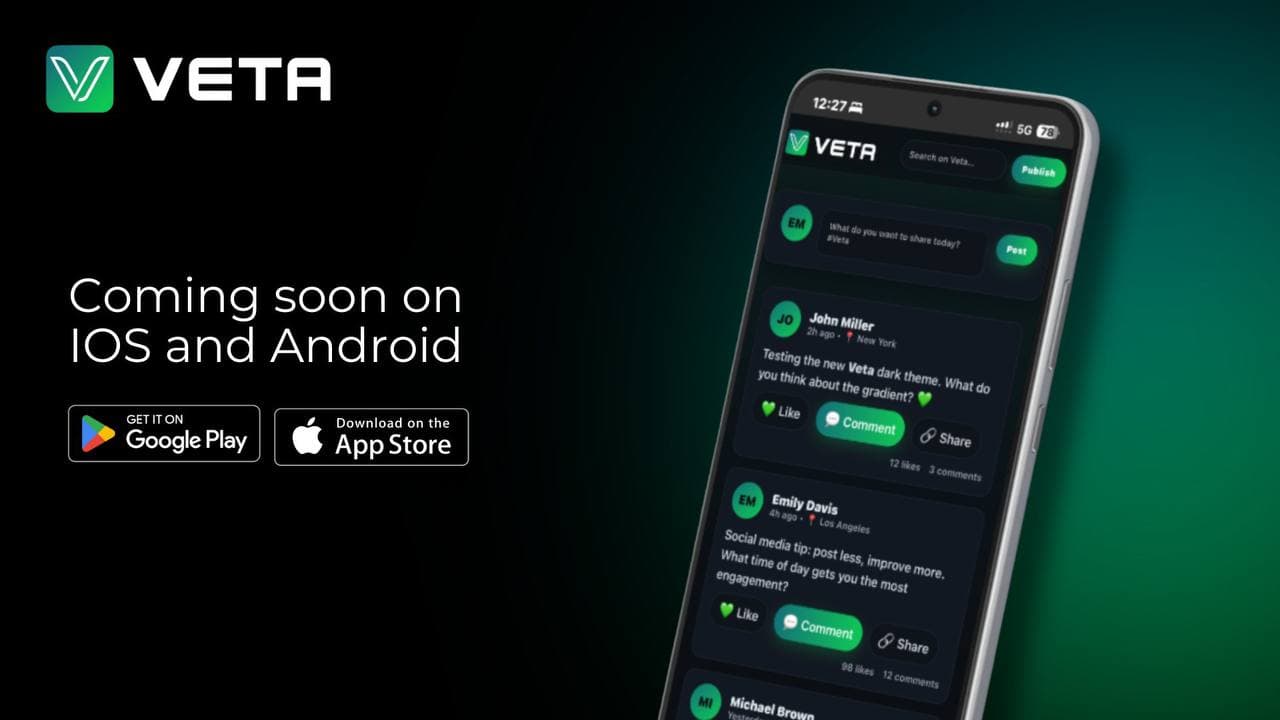
V Social and the New Era of Community Freedom in Social Media
1 min read · 12 Feb 2026
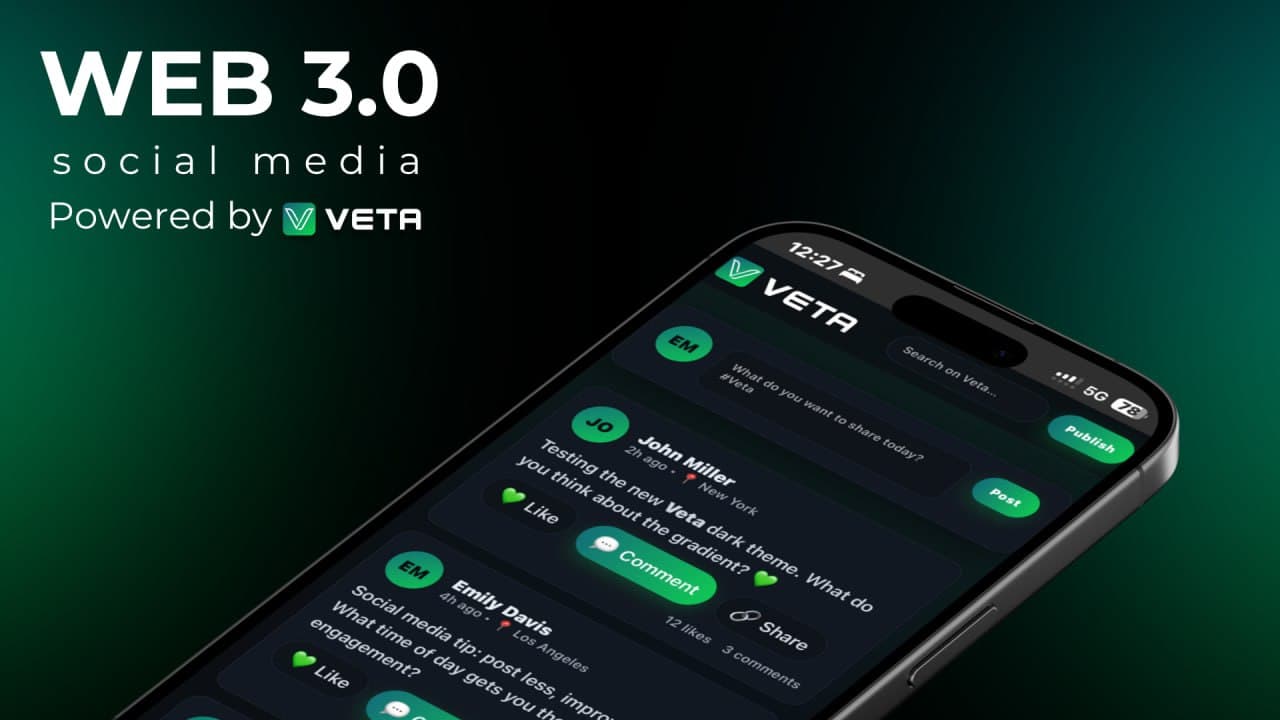
V’SociaI and the Return of Real Free Speech in the Age of Choice V.Social
1 min read · 8 Feb 2026
.png&w=3840&q=75)