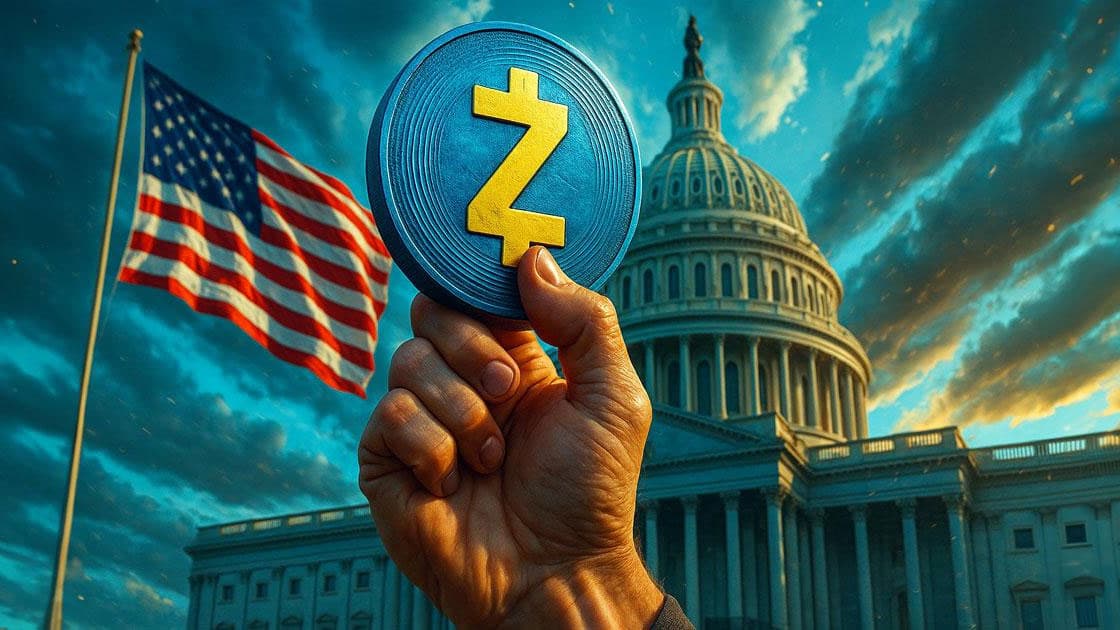

Can Cryptographic Privacy Survive Washington’s Spotlight? In a recent move that could reshape the future of crypto privacy, the U.S. Securities and Exchange Commission (SEC) has convened a roundtable to debate the future of cryptocurrencies built on privacy with Zcash taking center stage. This debate is not just academic. It comes after high profile enforcement […]
In a recent move that could reshape the future of crypto privacy, the U.S. Securities and Exchange Commission (SEC) has convened a roundtable to debate the future of cryptocurrencies built on privacy with Zcash taking center stage.
This debate is not just academic. It comes after high profile enforcement actions, like the sentencing of operators of Samourai Wallet and the conviction of a developer of Tornado Cash, which have stressed that privacy-focused tools may also run afoul of anti-money-laundering and money-transmitter laws.
What’s at Stake for Zcash & Privacy Coins
Privacy by design vs. regulatory transparency. Zcash allows “shielded” transactions using zero-knowledge cryptography (specifically zk-SNARKs) to hide sender, receiver, and amount while still offering the option of transparent addresses.
Regulators’ concern: shielded pools as black boxes. The key fear is that shielded transactions could facilitate illicit finance mixing legitimate and criminal flows in ways that elude oversight.
The SEC’s December 15 roundtable is a testing ground. The meeting brings together crypto-privacy developers (including Zcash’s founder), civil-liberties advocates, policy experts, and regulators. Their discussions may shape whether privacy-enhancing technologies get regulatory acceptance or face restrictions.
Why This Debate Matters
Many crypto proponents view Zcash and other privacy coins as essential infrastructure for financial privacy digital cash in the original spirit of crypto: permissionless, anonymous, censorship-resistant.
But regulators have growing doubts. The argument from enforcement agencies is that when a protocol or wallet provides “privacy by default,” it also makes oversight for money laundering, sanctions compliance, tax reporting extremely difficult.
This tension echoes a broader historical struggle over cryptography. For decades, governments and privacy advocates clashed over whether strong encryption should be limited to ensure law enforcement access a saga often called the “Crypto Wars.”
Whether Zcash survives intact may depend on the outcome of regulatory debates and whether regulators accept that zero-knowledge proofs can satisfy compliance while preserving user privacy.
Bottom Line
Zcash is more than just another altcoin. It represents a turning point in the conflict between privacy-focused cryptography and regulatory frameworks built around transparency. The SEC’s upcoming roundtable could mark the line between a regulated world that accommodates privacy and one that forces compliance at the cost of anonymity.
If regulators side with transparency, Zcash could be forced into a “transparent-mode only” future. If they accept selective disclosure via cryptography privacy preserved under regulatory guardrails then a new chapter for crypto privacy may begin.
-1-300x200.png&w=3840&q=75)
Visa is quietly moving stablecoins into the back office of money
1 min read · 30 Apr 2026
-300x200.png&w=3840&q=75)
Europe’s mythos problem is really a security problem
1 min read · 21 Apr 2026
-300x200.png&w=3840&q=75)
SpaceX’s Cursor move is not just about buying a startup
1 min read · 21 Apr 2026

YouTube’s Creator Future Is Starting to Look Less Like Hollywood and More Like a High End Home Studio Economy
1 min read · 29 Mar 2026

Wall Street’s Tokenization Rush Is Not a Crypto Victory, It Is a Rewrite of Finance Designed to Keep the Old Gatekeepers in Charge
1 min read · 29 Mar 2026

India’s Semaglutide Shock Could Redraw the Global Weight Loss Drug Market
1 min read · 28 Mar 2026

Milady, Loyalty, and Ethereum’s Identity Fight Are Exposing a Much Deeper Cultural Split
1 min read · 28 Mar 2026
David Sacks Leaves the White House With a Crypto Record That Helped Banks More Than Bitcoin
1 min read · 28 Mar 2026
XRP ETFs Just Flipped. And That Shift Might Matter More Than The Rally
1 min read · 27 Mar 2026

One Nation’s New Surge Looks Bigger Than a Protest Spike Because the Structural Cracks in Australian Politics Are Getting Harder to Ignore
1 min read · 27 Mar 2026