
How Renewable Power and Geopolitics Might Transform the Future of Crypto Mining In early 2026 a surprising idea took hold in some political and crypto circles: if Greenland were to become part of the United States, its vast untapped energy resources could be used to power large scale Bitcoin mining operations. The notion stems from […]
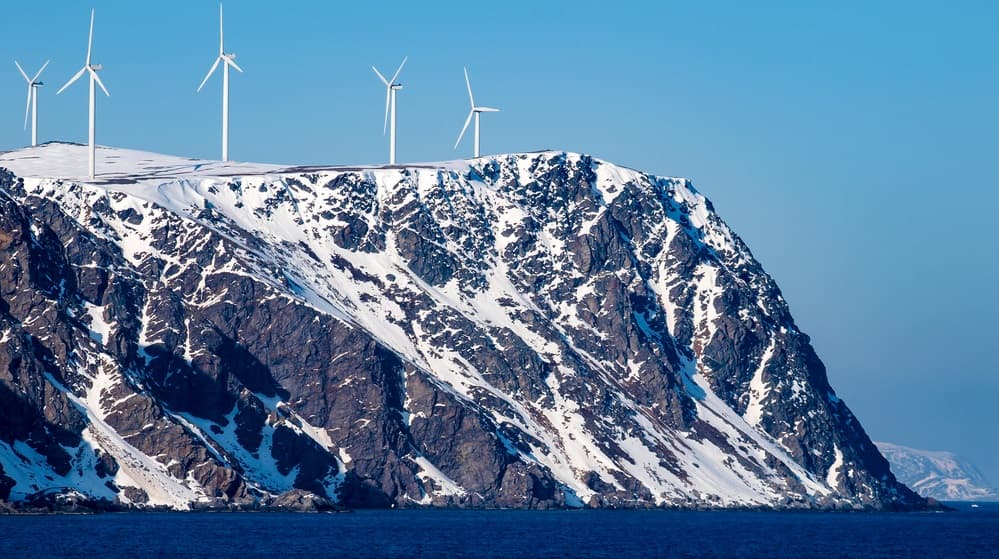
In early 2026 a surprising idea took hold in some political and crypto circles: if Greenland were to become part of the United States, its vast untapped energy resources could be used to power large scale Bitcoin mining operations. The notion stems from Greenland’s enormous potential for renewable energy production particularly hydroelectric and wind power which today goes unused or “stranded” because there are limited local markets to absorb it. Under U.S. jurisdiction proponents argue that this stranded energy could make Greenland a strategic hub for low cost, low emission Bitcoin mining, attracting investment and boosting both the local economy and America’s role in the global crypto ecosystem.
The concept gained attention after former U.S. President Donald Trump and other political figures mentioned Greenland’s potential during geopolitical discussions, emphasizing energy independence and infrastructure development. Greenland’s geography characterized by abundant water flows from melting glaciers and expansive wind corridors presents ideal conditions for generating renewable power at scale. However, much of this capacity remains unused because Greenland’s small population and limited industrial base cannot consume the output. Mining operations, which require large amounts of electricity running around the clock, could theoretically channel this excess power into productive work while also helping stabilize and monetize the energy grid.
Under this vision the integration of Greenland into the United States would not be purely symbolic; it would bring federal investment, national grid connections, and corporate interest that might otherwise bypass a remote Arctic territory. Renewable energy projects, once connected to mining infrastructure, could turn what is now wasted potential into a steady stream of economic activity. For communities in Greenland this could mean jobs, modern infrastructure, and a share of revenue from hosting data centers and mining facilities that support the Bitcoin network.
Critics of the idea point out that the proposal raises complex questions about sovereignty, environmental impact, and the ethics of hosting energy-intensive crypto operations in a region already facing climate change pressures. Greenlanders have a distinct cultural and political identity, and the notion of becoming part of another nation let alone for the sake of an industry as controversial as cryptocurrency touches deep questions about self-determination and local governance. Furthermore, even renewable mining operations have environmental costs related to construction, transmission, and land use, which must be balanced against economic opportunity.
From a technological standpoint Bitcoin mining in Greenland could leverage cutting-edge infrastructure designed for efficiency and sustainability. Modular data centers, immersion cooling, and direct renewable hookups are among the innovations that could minimize environmental footprints and maximize output. Supporters argue that pairing abundant clean energy with high-performance mining could serve as a model for responsible crypto operations worldwide, especially as pressure mounts to reduce the carbon impact of proof of work networks.
Geopolitically the idea reflects broader debates over energy security, economic diversification, and the future of Arctic governance. Greenland occupies a strategic position between North America and Europe and has become a focal point for military and economic interest from global powers. Some proponents see crypto mining as one of many pathways to integrate Greenland more tightly into Western economic frameworks, while critics worry that such proposals prioritize foreign goals over local needs.
Economists also note that turning stranded renewable energy into mining rent is only one potential use case; alternatives include attracting energy-intensive industries, exporting power to neighboring regions via undersea cables, or building manufacturing that benefits directly from cheap electricity. Bitcoin mining is attractive because it can be deployed quickly and scaled modularly, but long-term economic success likely requires a more diversified strategy tailored to Greenland’s strengths and community priorities.
For the global Bitcoin network, new large-scale mining regions hold both promise and controversy. An influx of low-cost renewable power could increase overall network security by expanding hash power, but it might also concentrate mining capacity in a way that raises questions about decentralization and geopolitical influence. The story of Greenland’s potential pivot to crypto mining is not just about economics or technology it is a case study in how emerging industries intersect with national policy, climate realities, and cultural identity.
Despite the headlines, no formal process exists for Greenland to join the United States, and proposals of that nature would require extensive legal, political, and diplomatic negotiation. Yet the fact that the idea has moved into mainstream discussion highlights how creative and contested the future of energy and digital finance has become. Whether Greenland ever becomes a major mining jurisdiction or a political partner of the U.S., its stranded energy potential and strategic position in the Arctic ensure it will remain part of key conversations about the future of infrastructure, sustainability, and the evolving role of cryptocurrencies in the global economy.
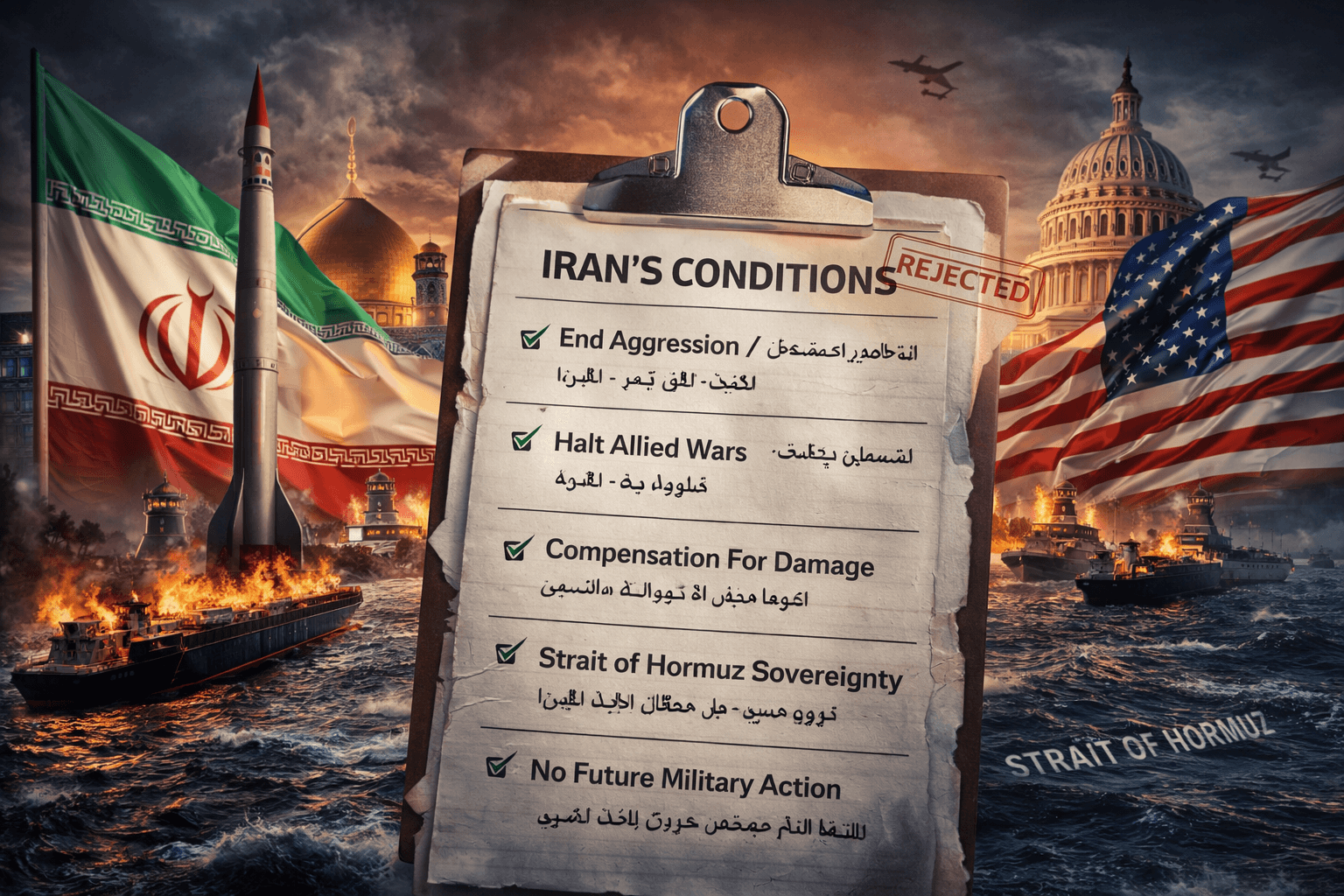
Iran’s Five Demands Show This War Is Moving Further From Peace, Not Closer
1 min read · 25 Mar 2026

A $200 Billion Iran War Bill Shows Just How Big The Stakes Have Become
1 min read · 23 Mar 2026

War Between the U.S., Israel, and Iran Escalates as Conflict Enters Third Week
1 min read · 16 Mar 2026

Venice Biennale Under Fire Over Russian Presence
1 min read · 14 Mar 2026
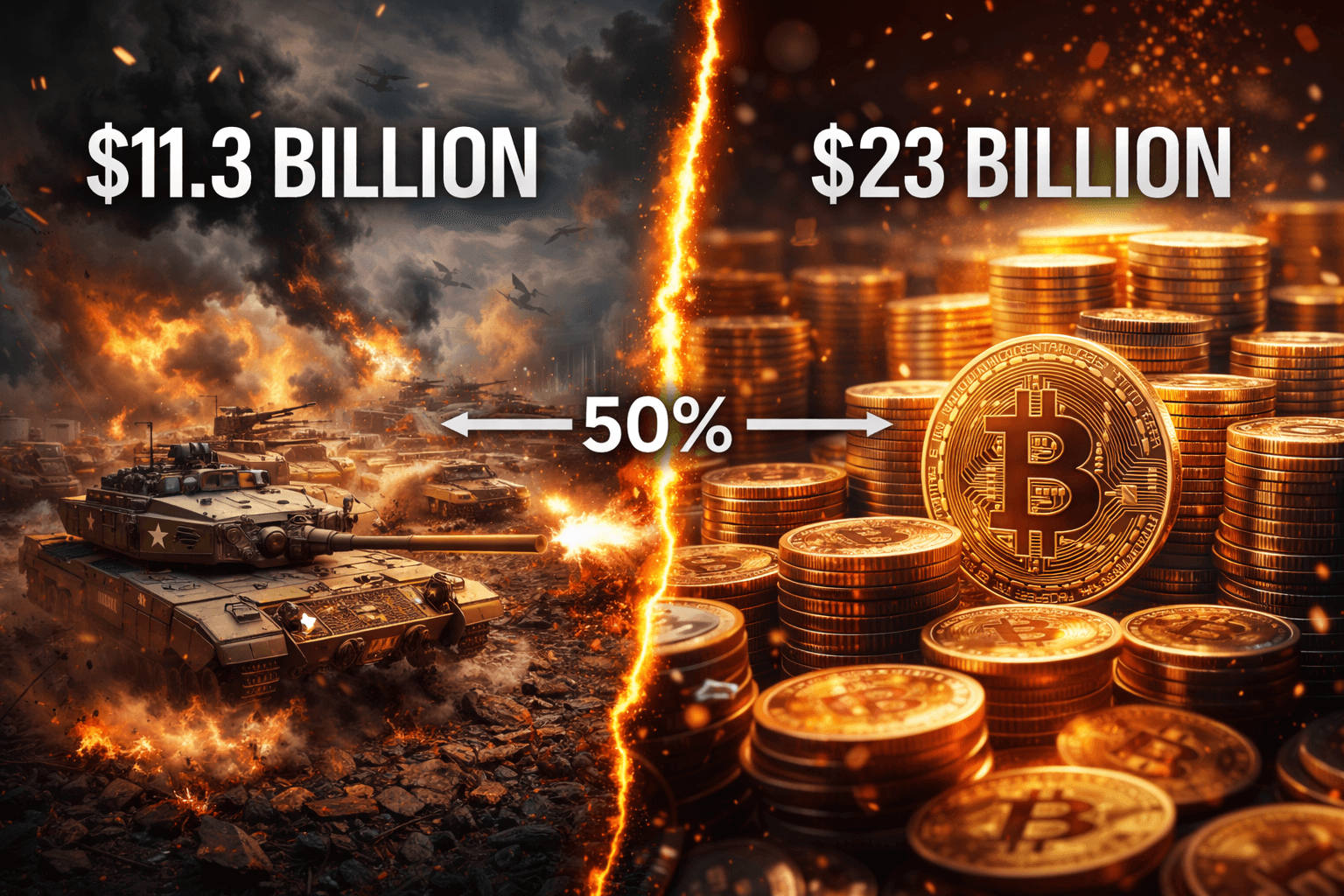
Iran War Spending Equals Half the Value of the U.S. Bitcoin Reserve in Just Six Days
1 min read · 14 Mar 2026

Prosecutors Push to Retry Tornado Cash Co-Founder Even as Washington Softens on Crypto Privacy
1 min read · 12 Mar 2026
Forget CPI and ETFs Oil Prices May Now Be the Biggest Signal for Bitcoin
1 min read · 8 Mar 2026

How SK Telecom Is Rebuilding Itself Around AI at MWC 2026
1 min read · 3 Mar 2026

Dubai and the UAE on the Frontlines: How the Iran Israel Conflict Has Reverberated Across a Global Hub
1 min read · 3 Mar 2026

US and Israel Military Strikes on Iran and the Escalation of Conflict in the Middle East
1 min read · 28 Feb 2026