
Will the SEC Let Apple Shares Live On-Chain Next Week? The financial world is entering a moment that feels like a crossroads. For years, people have speculated about what it might look like if traditional stocks such as Apple could live on a blockchain without losing the regulatory protections that make U.S. markets the global […]
The financial world is entering a moment that feels like a crossroads. For years, people have speculated about what it might look like if traditional stocks such as Apple could live on a blockchain without losing the regulatory protections that make U.S. markets the global standard. Now, we may finally get our answer. Next week, the SEC’s Investor Advisory Committee is preparing to examine whether real, registered equities can move onto blockchain rails, and the outcome of that meeting could reshape how we buy, sell, and hold some of the world’s most valuable stocks. What makes this moment especially significant is that the conversation has matured beyond theory. Institutions like Nasdaq, BlackRock, Robinhood, Coinbase, Citadel Securities, and Galaxy Digital are stepping in to discuss how tokenized equities might operate within existing U.S. securities laws. When major institutions that normally compete begin speaking publicly about the same idea, it suggests the winds of change are already blowing.
The key question on the table is surprisingly simple: can a regulated stock exist on blockchain technology without becoming a different financial product? In other words, could your Apple shares be tokenized, placed on-chain, and still have the same CUSIP, the same legal rights, the same dividends, and the same shareholder protections that they have today? Nasdaq seems to think the answer is yes, and their recent proposal outlines a system where traditional shares and tokenized shares would trade on the same order book. That means the market wouldn’t be creating two different products. Instead, blockchain would simply become a new settlement and custody layer beneath the familiar trading system. The comparison often used is that blockchain wouldn’t replace the skyscraper it would only replace the plumbing.
This shift is happening now because the push for innovation has been building for years. Market participants increasingly view blockchain as a way to modernize outdated systems that still rely on multi-day settlement windows, complex custodial chains, and expensive intermediaries. Tokenization promises faster settlement, lower costs, fewer middlemen, and potentially even 24/7 market access. Instead of waiting two days for a trade to settle, blockchain could finalize ownership in minutes. For retail investors, that means faster access to funds, less waiting, and fewer hidden risks. For institutions, it means reduced counterparty exposure and easier auditing. And for regulators, it might even lead to better transparency. The pitch is that blockchain could make equity markets smoother, cheaper, and more accessible without changing the rules that protect investors.
However, the excitement is balanced by serious concerns. Regulators have repeatedly emphasized that putting an asset on a blockchain does not magically change its legal classification. Tokenized equities must still follow the same strict standards that apply to traditional shares, including registration, disclosures, broker-dealer oversight, and exchange rules. This is why the SEC’s discussion is so delicate. Any approval must ensure that the benefits of blockchain do not come at the expense of market integrity. The SEC needs to feel confident that moving settlement and custody to a blockchain can fit cleanly into the existing national market system without creating loopholes or new risks. Even SEC Commissioners have warned that blockchain technology must enhance not weaken investor protections.
Technical challenges add another layer of complexity. For example, who holds the private keys to on-chain shares? Is it the investor, the broker, or a qualified custodian? If trades settle within seconds instead of days, how does short selling or margin trading work? These activities rely heavily on settlement delays to operate properly. If settlement becomes instantaneous, some processes designed for T+2 markets may need to be reinvented. There’s also the issue of price discovery. Major stock exchanges currently rely on a consolidated best bid and offer to maintain fair pricing. If tokenized shares start trading across multiple blockchain networks or decentralized marketplaces, the risk of fragmentation grows. Fragmented markets can lead to inconsistent pricing, hidden liquidity, and unfair advantages for certain traders. Regulators want to avoid repeating the chaos of early crypto markets where pricing varied dramatically from one exchange to another.
Even so, the potential upside is enormous. Imagine buying Apple shares at any hour of the day, no matter where you live, and having the trade settle instantly. Imagine paying lower fees because fewer middlemen are involved. Imagine a world where global investors can participate in U.S. equities without needing complex offshore brokers or middle-layer financial products. Tokenization could make the global financial system more open and efficient while maintaining the same regulatory protections that make U.S. markets so trusted. For large companies like Apple, this could expand their shareholder base, improve liquidity, and create new opportunities for financial innovation. For exchanges and brokers, it may force an upgrade in infrastructure, prompting them to integrate blockchain-based custody, wallets, and compliance automation into their existing systems.
The upcoming SEC meeting may not deliver a final decision, but it will signal how open regulators are to allowing tokenized stocks to exist within the current rules. If the committee shows support for the “compliant stack” model where blockchain serves as the settlement layer but all existing regulatory protections remain intact then the industry could move forward quickly. Some analysts believe tokenized shares could appear within months if the SEC is receptive. Others think the process will take years. What’s certain is that next week’s meeting is a milestone. For the first time, regulators are debating the real-world implementation of tokenized equities, not just the concept.
As investors watch closely, the broader public may soon face a future where owning on-chain Apple shares is as normal as using online banking. The shift would represent one of the biggest modernizations of U.S. market infrastructure in decades. It would also bridge the gap between the crypto ecosystem and traditional finance, showing that blockchain can support regulated products safely and effectively. And while challenges remain in custody, market structure, investor education, and technological readiness the momentum behind tokenized equities suggests this evolution is not a matter of if, but when. The real question now is whether the SEC is ready to open the door next week.
If the meeting ends favorably, the era of blockchain-powered stocks could begin. If not, the push for modernization will continue, but perhaps with slower steps. For now, all eyes are on the SEC, and the outcome will ripple across Wall Street, Silicon Valley, and the global investment landscape. Whether you are an everyday investor or a market professional, the idea that your Apple shares could soon live on-chain fully protected, fully regulated, and globally accessible may represent the future of finance ready to unfold.
-1-300x200.png&w=3840&q=75)
Visa is quietly moving stablecoins into the back office of money
1 min read · 30 Apr 2026
-300x200.png&w=3840&q=75)
Europe’s mythos problem is really a security problem
1 min read · 21 Apr 2026
-300x200.png&w=3840&q=75)
SpaceX’s Cursor move is not just about buying a startup
1 min read · 21 Apr 2026

YouTube’s Creator Future Is Starting to Look Less Like Hollywood and More Like a High End Home Studio Economy
1 min read · 29 Mar 2026
Wall Street’s Tokenization Rush Is Not a Crypto Victory, It Is a Rewrite of Finance Designed to Keep the Old Gatekeepers in Charge
1 min read · 29 Mar 2026

India’s Semaglutide Shock Could Redraw the Global Weight Loss Drug Market
1 min read · 28 Mar 2026

Milady, Loyalty, and Ethereum’s Identity Fight Are Exposing a Much Deeper Cultural Split
1 min read · 28 Mar 2026
David Sacks Leaves the White House With a Crypto Record That Helped Banks More Than Bitcoin
1 min read · 28 Mar 2026
XRP ETFs Just Flipped. And That Shift Might Matter More Than The Rally
1 min read · 27 Mar 2026
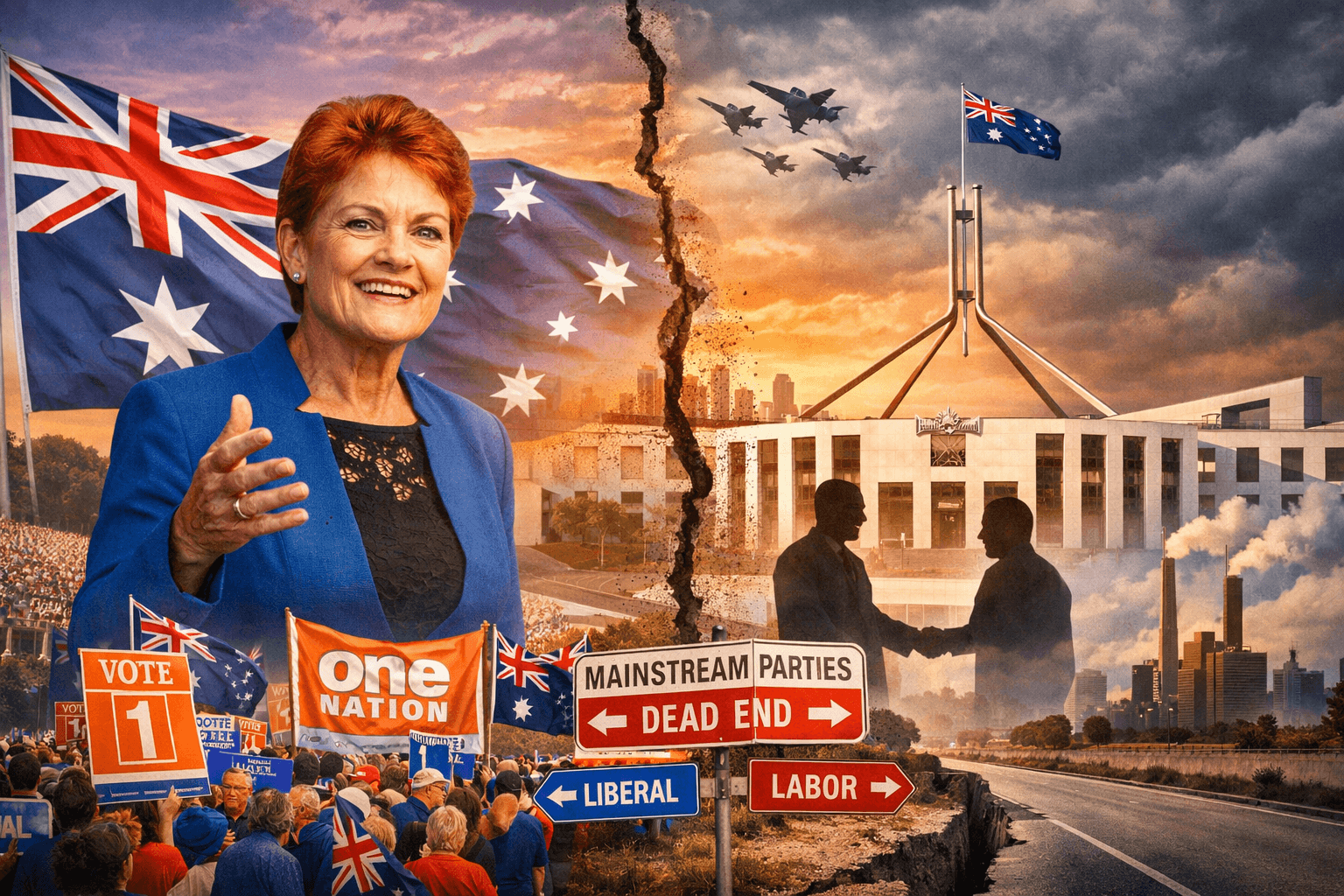
One Nation’s New Surge Looks Bigger Than a Protest Spike Because the Structural Cracks in Australian Politics Are Getting Harder to Ignore
1 min read · 27 Mar 2026