
How Misaligned Expectations, Weak Fundamentals, and Market Forces Toppled Major Crypto Projects In 2025, the crypto market wasn’t just about big winners; it was also a year defined by notable losers projects that once drew hype, capital, or community attention but ultimately lost significant value, users, or relevance. According to retrospective analysis, several tokens, platforms, […]
In 2025, the crypto market wasn’t just about big winners; it was also a year defined by notable losers projects that once drew hype, capital, or community attention but ultimately lost significant value, users, or relevance. According to retrospective analysis, several tokens, platforms, and narratives that once looked strong failed to withstand macro pressures, competitive dynamics, or fundamental challenges. Examining which projects lost the most and why reveals important lessons about what withstands market stress and what doesn’t.
One common factor among the biggest laggards was overreliance on narrative rather than utility. In previous cycles, attention alone could prop up assets with weak or unclear value propositions, but 2025 showed that story without substance struggles to survive when market depth thins and capital becomes more selective. Several tokens that once commanded strong community attention ultimately saw their prices erode as development slowed, adoption failed to materialize, and liquidity dried up.
Another trend among the losers was poor timing and structural misalignment with broader macroeconomic forces. In an environment where liquidity tightened, global risk appetite cooled, and risk assets traded in closer correlation with broader financial markets, crypto projects that depended heavily on speculative inflows were especially vulnerable. Those without robust use cases, diversified ecosystems, or sticky user bases tended to depreciate more sharply.
Several of the “top 10 losers” were associated with overleveraged narratives such as aggressive staking models, unsustainable tokenomics, or high-beta exposure to market sentiment rather than differentiated technology. These tokens often boomed in early parts of the year only to give back gains as traders rotated capital toward assets with clearer fundamentals, regulatory visibility, or real world utility.
Security and governance missteps also played a role. Projects that experienced hacks, protocol exploits, or governance controversies saw not just temporary price dips, but lasting reputational damage that deterred re-entry by institutional or retail capital. In an era where on-chain transparency allows rapid dissemination of performance data, trust became a core determinant of value retention.
Layer-1 ecosystems that failed to retain developers or achieve meaningful throughput also found themselves falling behind. As competition intensified among smart contract platforms, those with shallow developer engagement, weak ecosystem incentives, or fragmentation of liquidity suffered disproportionately. Competitive pressure from better-financed rivals with more compelling ecosystems diverted capital away from weaker chains.
The rollup and Layer-2 narratives while generally positive for the broader Ethereum ecosystem also siphoned interest from standalone Layer-1 competitors that lacked clear differentiation. Traders and builders increasingly favored environments that could offer composability, deep liquidity, and integrations with major decentralized finance (DeFi) infrastructures, leaving smaller or isolated ecosystems under pressure.
Tokens that were primarily tethered to speculative narratives such as those linked to fleeting memetic cycles or influencer-driven rallies also struggled as the market matured. With capital becoming more discerning and narratives more fragmented, “hype tokens” without real utility or community anchoring saw rapid derating and, in some cases, extended periods of dormancy.
Regulatory uncertainty also contributed to the downturn for some projects. While some jurisdictions made progress on frameworks, others signaled greater scrutiny on token classification, compliance, or market conduct, imposing pressure on assets with ambiguous utility or securities-like features. Regulatory headlines weighed more heavily on projects without clear compliance roadmaps or established legal footing.
Importantly, the losses of 2025 weren’t evenly spread; they disproportionately affected projects that failed to evolve or adapt to new market conditions. Projects that pivoted toward clear real-world utility such as digital finance, settlement infrastructure, or institutional adoption weathered storms more effectively than those that stayed tethered to outdated cycles of speculation or novelty.
Despite these downturns, the year’s biggest losers offer lessons than failures. They illustrate that robust fundamentals, clear utility, and community alignment not hype or leverage are central to long-term viability in the crypto space. As investors and builders look to 2026 and beyond, the performance of these assets will be studied not just for price behavior, but for insights into how capital allocates in an increasingly crowded and sophisticated digital asset landscape.
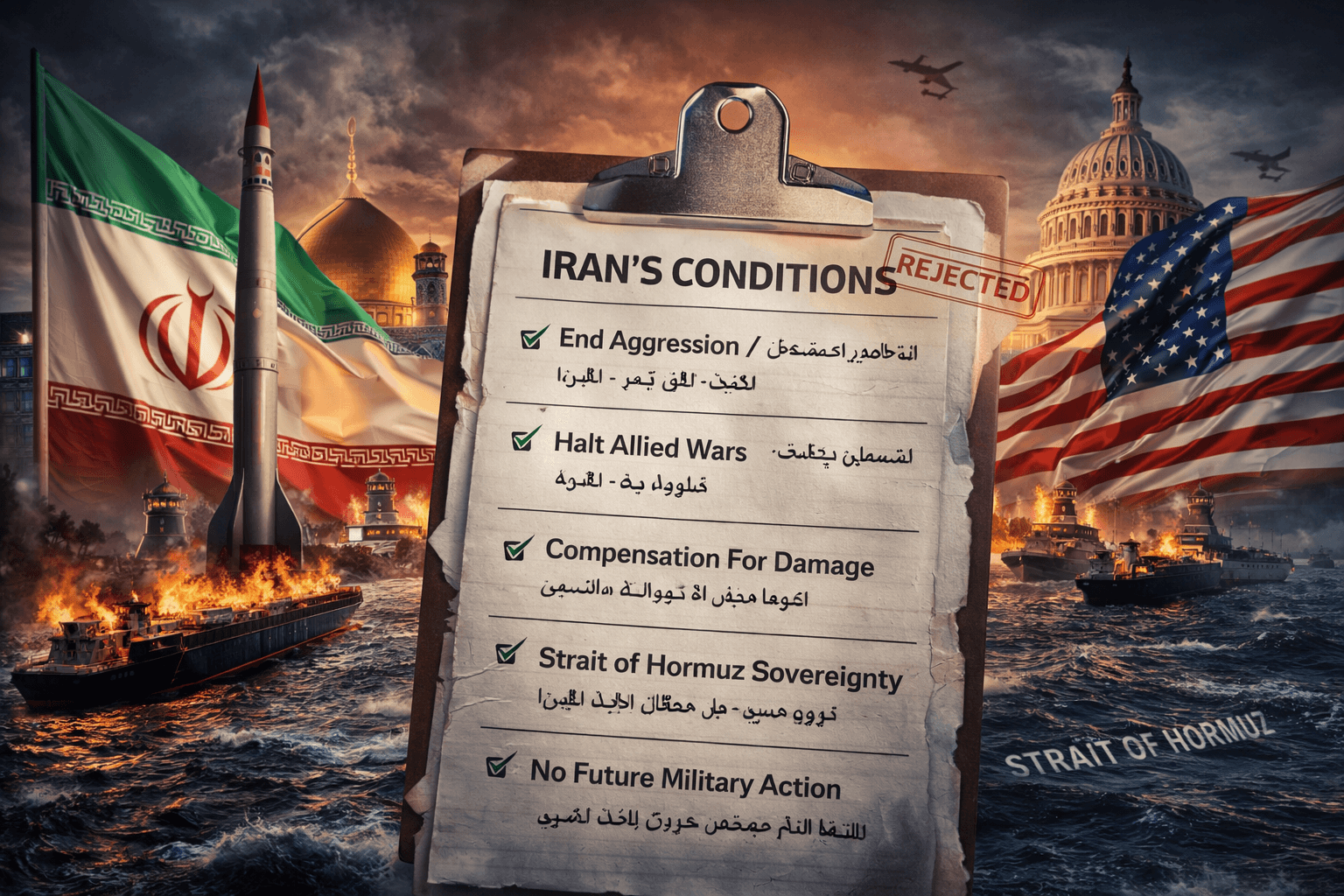
Iran’s Five Demands Show This War Is Moving Further From Peace, Not Closer
1 min read · 25 Mar 2026

A $200 Billion Iran War Bill Shows Just How Big The Stakes Have Become
1 min read · 23 Mar 2026
War Between the U.S., Israel, and Iran Escalates as Conflict Enters Third Week
1 min read · 16 Mar 2026

Venice Biennale Under Fire Over Russian Presence
1 min read · 14 Mar 2026
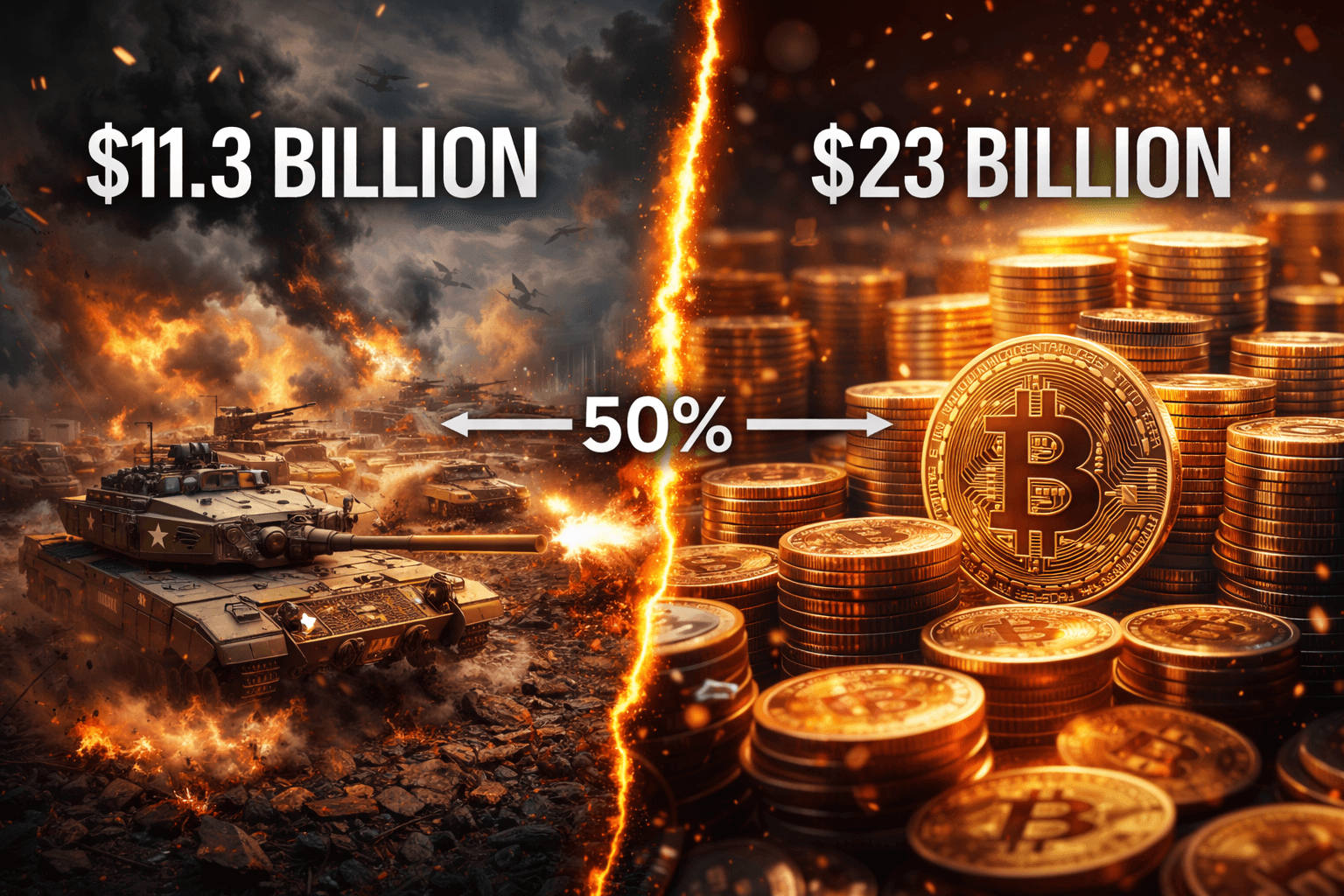
Iran War Spending Equals Half the Value of the U.S. Bitcoin Reserve in Just Six Days
1 min read · 14 Mar 2026

Prosecutors Push to Retry Tornado Cash Co-Founder Even as Washington Softens on Crypto Privacy
1 min read · 12 Mar 2026

Forget CPI and ETFs Oil Prices May Now Be the Biggest Signal for Bitcoin
1 min read · 8 Mar 2026

How SK Telecom Is Rebuilding Itself Around AI at MWC 2026
1 min read · 3 Mar 2026

Dubai and the UAE on the Frontlines: How the Iran Israel Conflict Has Reverberated Across a Global Hub
1 min read · 3 Mar 2026

US and Israel Military Strikes on Iran and the Escalation of Conflict in the Middle East
1 min read · 28 Feb 2026