

Why Dollar Pegged Tokens Have Become the Preferred Tool for Criminals in 2025 In 2025 the landscape of illicit cryptocurrency activity shifted dramatically as stablecoins digital tokens pegged to fiat currencies overtook Bitcoin as the most used assets in illegal transactions. According to new data from Chainalysis shared with CryptoSlate, stablecoins accounted for roughly 84 […]
In 2025 the landscape of illicit cryptocurrency activity shifted dramatically as stablecoins digital tokens pegged to fiat currencies overtook Bitcoin as the most used assets in illegal transactions. According to new data from Chainalysis shared with CryptoSlate, stablecoins accounted for roughly 84 percent of all identified illicit crypto transaction volume during the year, a clear reversal from previous years when Bitcoin’s volatility and liquidity made it the primary medium for such activity. This development reflects both the growing use of stablecoins as a bridge between traditional and digital finance and the unique risks they pose in criminal finance contexts.
Stablecoins are designed to maintain a steady value equal to a traditional currency such as the U.S. dollar. They have become ubiquitous in trading, payments, and decentralized finance because they allow users to avoid volatility and move value quickly without the price swings associated with tokens like Bitcoin or Ether. However, those same features price stability, ease of transfer, and wide availability across blockchains also make them attractive to actors seeking to move money quickly without losing value. Criminals have increasingly used stablecoins to facilitate money laundering, darknet market transactions, sanctions evasion, and other illicit activities precisely because they hold value reliably while being difficult to trace once moved through complex networks.
Bitcoin, once the go-to asset for illicit crypto flows due to its global reach and liquidity, has gradually ceded that role as criminals adapt their strategies to leverage more efficient tools. Chainalysis’s data shows that the sheer volume of suspicious stablecoin transactions has overtaken Bitcoin’s share of flagged activity, underscoring how criminal finance strategies evolve with market innovation. Analysts point out that stablecoins’ price stability reduces the risk of value loss during transfers, a factor that matters to illicit operators even more than blockchain transparency or decentralization.
This trend has prompted concern among regulators, law enforcement, and financial watchdogs. Organizations such as the Financial Action Task Force (FATF) have highlighted stablecoins as a growing risk vector in global financial crime, noting that clandestine activity involving stablecoins appears to be rising with their adoption across legitimate markets as well. Since stablecoins are often integrated deeply into trading infrastructure and payment systems, bad actors can exploit gaps in compliance and oversight to layer, move, and obscure criminal proceeds more readily than with more volatile tokens.
The predominance of stablecoins in illicit activity also raises complex policy questions. Regulators must balance the promise of stablecoins to modernize payments and provide efficient access to digital finance against the clear evidence that these tokens are now favored in criminal contexts. When dollar pegged crypto assets become tools for money laundering, ransomware payments, or sanctions evasion, it challenges existing frameworks for anti-money laundering (AML) and know your customer (KYC) compliance, and it highlights the need for more robust tracking and enforcement mechanisms that can adapt to the dynamics of digital money.
For everyday users and institutions, the message from the latest data is clear: stablecoins are no longer simply low-volatility replacements for cash in crypto markets; they are central to the way value moves across digital borders for better and for worse. As policymakers work on frameworks to regulate these assets, the focus is shifting from purely speculative control to preventing their misuse in criminal finance while preserving their utility in legitimate economic activity

Iran’s Five Demands Show This War Is Moving Further From Peace, Not Closer
1 min read · 25 Mar 2026

A $200 Billion Iran War Bill Shows Just How Big The Stakes Have Become
1 min read · 23 Mar 2026

War Between the U.S., Israel, and Iran Escalates as Conflict Enters Third Week
1 min read · 16 Mar 2026

Venice Biennale Under Fire Over Russian Presence
1 min read · 14 Mar 2026
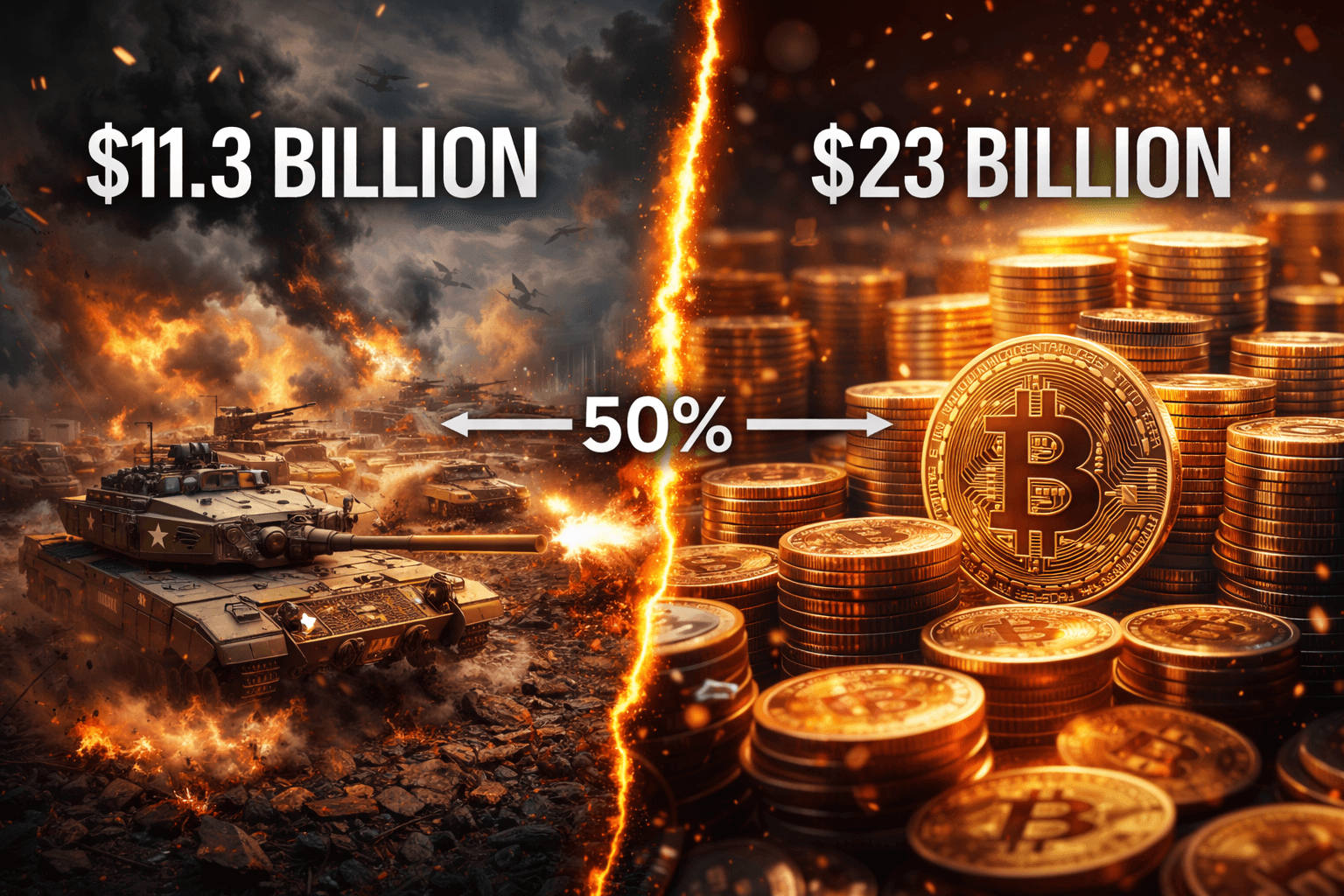
Iran War Spending Equals Half the Value of the U.S. Bitcoin Reserve in Just Six Days
1 min read · 14 Mar 2026

Prosecutors Push to Retry Tornado Cash Co-Founder Even as Washington Softens on Crypto Privacy
1 min read · 12 Mar 2026

Forget CPI and ETFs Oil Prices May Now Be the Biggest Signal for Bitcoin
1 min read · 8 Mar 2026

How SK Telecom Is Rebuilding Itself Around AI at MWC 2026
1 min read · 3 Mar 2026

Dubai and the UAE on the Frontlines: How the Iran Israel Conflict Has Reverberated Across a Global Hub
1 min read · 3 Mar 2026

US and Israel Military Strikes on Iran and the Escalation of Conflict in the Middle East
1 min read · 28 Feb 2026