

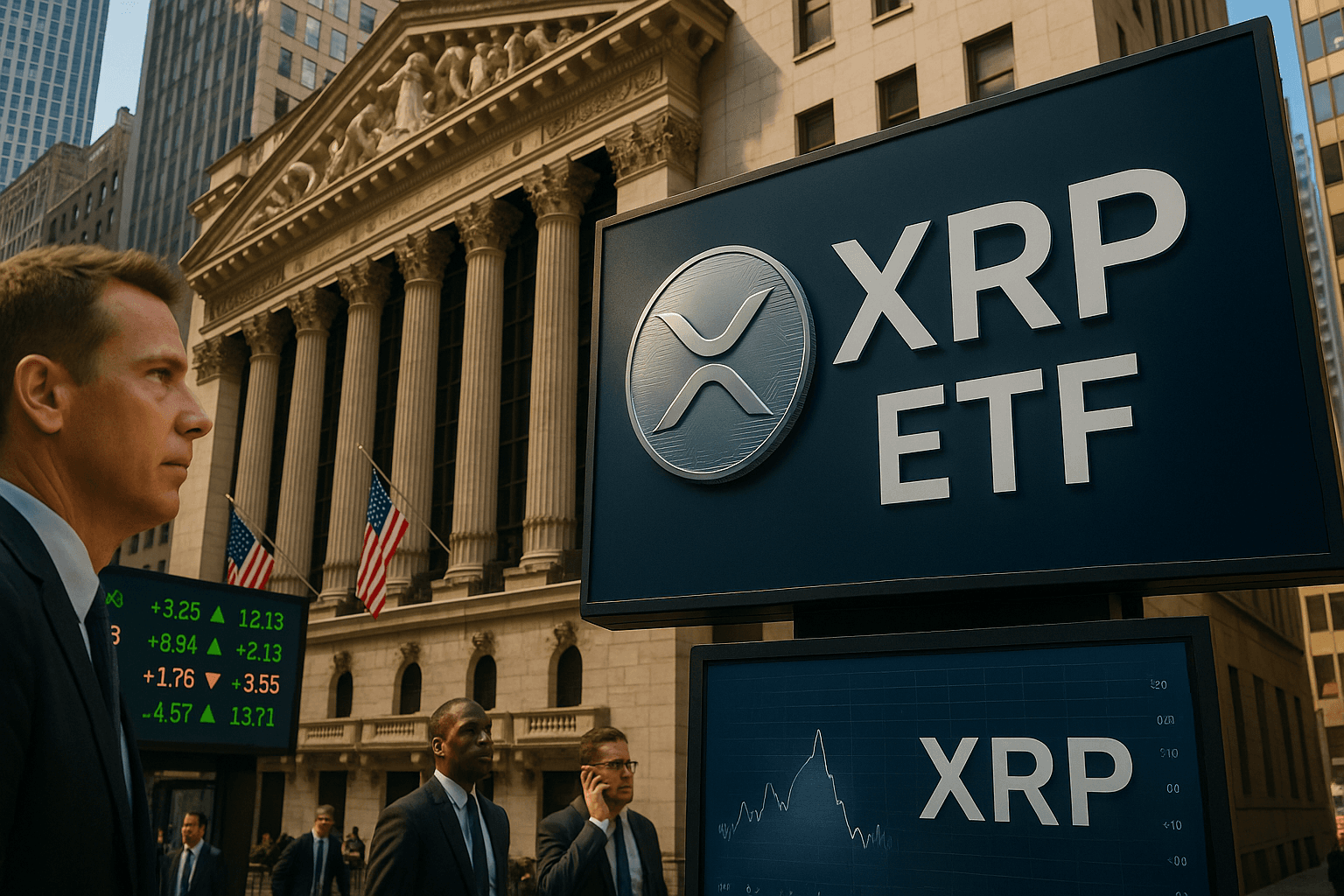
If spot XRP ETFs launch, they won’t invent demand from thin air, they’ll funnel existing interest into a regulated wrapper that is easier for advisors, funds, and everyday investors to access. The earliest buyers will likely be crypto aware advisors migrating positions for cleaner custody and reporting, hedge funds running basis trades between ETF shares and […]
If spot XRP ETFs launch, they won’t invent demand from thin air, they’ll funnel existing interest into a regulated wrapper that is easier for advisors, funds, and everyday investors to access. The earliest buyers will likely be crypto aware advisors migrating positions for cleaner custody and reporting, hedge funds running basis trades between ETF shares and perps, and retail investors who prefer brokerage apps over exchanges. That mix kick starts two way flow and encourages market makers to keep ETF spreads tight during U.S. hours.
Liquidity won’t “vanish” from crypto exchanges; it will be rerouted. Secondary trading concentrates in the ETF, but creations and redemptions force authorized participants to source or deliver real XRP, turning net inflows into steady underlying bids. As assets grow, ETF arbitrage helps tether prices to net asset value, while derivatives align more closely with spot as basis trades proliferate. Over time, this can smooth intraday volatility and shift some price discovery toward traditional market windows.
For the XRP Ledger, an ETF may pull a slice of capital from on chain yield in the short run, yet broaden the audience for XRP’s payments utility. Treasury desks and enterprises often wait for compliant exposure before experimenting with settlement rails; a credible ETF provides that doorway. The long-run effect hinges on fees, AP depth, and whether issuers market XRP’s utility or just short-term performance.
What should we watch? Issuer quality, fee levels, shelf access on major brokerages, and how quickly AP capacity scales. If inventories are tight at launch, creations could add upward pressure; if OTC supply is ready, trading should look orderly. Macro still matters: ETFs sit inside portfolios that rebalance with rates and equities, so XRP’s U.S. session behavior will increasingly echo broader risk tone. The wrapper doesn’t guarantee a price path but it upgrades the plumbing, widens the buyer base, and re maps liquidity in ways that tend to persist beyond the first headline cycle.
Coinbase’s $300B dream still has to pass the boring infrastructure test
1 min read · 7 May 2026
-300x200.png&w=3840&q=75)
-300x200.png&w=3840&q=75)
-300x200.png&w=3840&q=75)

-300x200.png&w=3840&q=75)
-300x200.png&w=3840&q=75)
-1-300x200.png&w=3840&q=75)


-1-300x200.png&w=3840&q=75)