

XRPL XRP yield: Sidechain staking explained The big question many XRP holders keep asking is simple: why can everyone else stake their tokens for yield, but XRP can’t? The XRP Ledger was originally built as a fast, reliable payments network not as a DeFi yield farm. It uses a Unique Node List instead of proof-of-stake, […]
The big question many XRP holders keep asking is simple: why can everyone else stake their tokens for yield, but XRP can’t? The XRP Ledger was originally built as a fast, reliable payments network not as a DeFi yield farm. It uses a Unique Node List instead of proof-of-stake, meaning validators don’t earn rewards and XRP holders can’t stake tokens natively. This design keeps XRPL efficient and neutral, but it also means it doesn’t offer the staking rewards that most modern crypto ecosystems use to attract liquidity and investors.
Because the market loves yield, XRP holders have been looking elsewhere, and that’s where sidechains step in. Even though XRPL itself doesn’t offer staking, new EVM-compatible sidechains now let people earn yield on XRP by using wrapped or tokenized versions of it. The most talked-about example is mXRP, created by Midas and Interop Labs. When users deposit XRP, they receive mXRP in return an asset that earns around 6–8% APY depending on market conditions. This token can also be used across different DeFi platforms for lending, liquidity pools, and additional rewards. In simple terms, users take their non-yielding XRP, wrap it, and enter a DeFi ecosystem that provides rewards XRPL itself never planned to offer.
Ripple engineers have acknowledged that on-ledger staking is an interesting idea but also a complicated one. Adding staking to XRPL would require a reward source like inflation or redistributed fees and major changes to how validators operate. Developers like Ayo Akinyele and David Schwartz have openly discussed the risks, including validator centralization, political battles over rewards, and possible damage to XRPL’s neutrality. For now, these ideas are treated as experiments, not a confirmed upgrade. XRPL still runs smoothly without yield, and its creators don’t want staking to introduce new attack surfaces or governance problems.
Meanwhile, sidechains are growing fast because they give users something XRPL doesn’t: passive income. The XRPL EVM sidechain has already attracted millions in total value locked through mXRP alone. Many XRP holders are moving tokens into these environments because they want their assets to be productive. But yield always comes with trade-offs. When using mXRP or any wrapped asset, users take on risks that don’t exist when simply holding XRP on XRPL. These risks include smart contract bugs, bridge vulnerabilities, liquidity issues, and counterparty exposure. Yield isn’t free it’s compensation for extra risk.
This dynamic creates an interesting split in the XRP community. One group wants XRPL itself to evolve, offering native staking so that XRP competes with other proof-of-stake tokens for investor attention. The other group believes XRPL should remain exactly what it was built to be: a fast, stable, neutral settlement layer that doesn’t rely on incentives to function. The rise of sidechains shows that both paths can exist at once. XRPL can stay clean and efficient, while sidechains experiment with yield, liquidity mining, and more advanced DeFi tooling.
The future of XRP likely sits somewhere in the middle. There is growing demand for XRP to participate in DeFi more meaningfully, and wrapped assets like mXRP are already turning XRP into productive collateral across multiple blockchains. At the same time, XRPL’s core value lies in its reliability and simplicity. Most analysts agree the base layer should remain minimalistic while developers expand the ecosystem outward through bridges and EVM chains. That way, XRP keeps its identity while still becoming useful in yield-generating environments.
If you’re an XRP holder exploring these new opportunities, the main thing to remember is this: always understand where the yield comes from and what risks you’re accepting. mXRP and similar tokens can offer attractive returns, but they rely on smart contracts, liquidity pools, and cross-chain infrastructure that behave very differently from XRPL’s battle tested architecture. If your goal is long-term safety, holding XRP natively is still the lowest-risk option. If you’re comfortable with additional layers of risk in exchange for yield, sidechains offer ways to put your XRP to work.
In the end, the debate isn’t simply about whether XRP should have staking. It’s about what XRP should be. A neutral settlement tool? A DeFi collateral asset? Or both through different layers? XRPL’s stability suggests it will keep its current design for now. But as sidechains grow, XRP is quickly expanding beyond payments and becoming a participant in the broader yield-driven crypto economy without the base ledger ever needing to change.

Iran’s Five Demands Show This War Is Moving Further From Peace, Not Closer
1 min read · 25 Mar 2026

A $200 Billion Iran War Bill Shows Just How Big The Stakes Have Become
1 min read · 23 Mar 2026

War Between the U.S., Israel, and Iran Escalates as Conflict Enters Third Week
1 min read · 16 Mar 2026

Venice Biennale Under Fire Over Russian Presence
1 min read · 14 Mar 2026
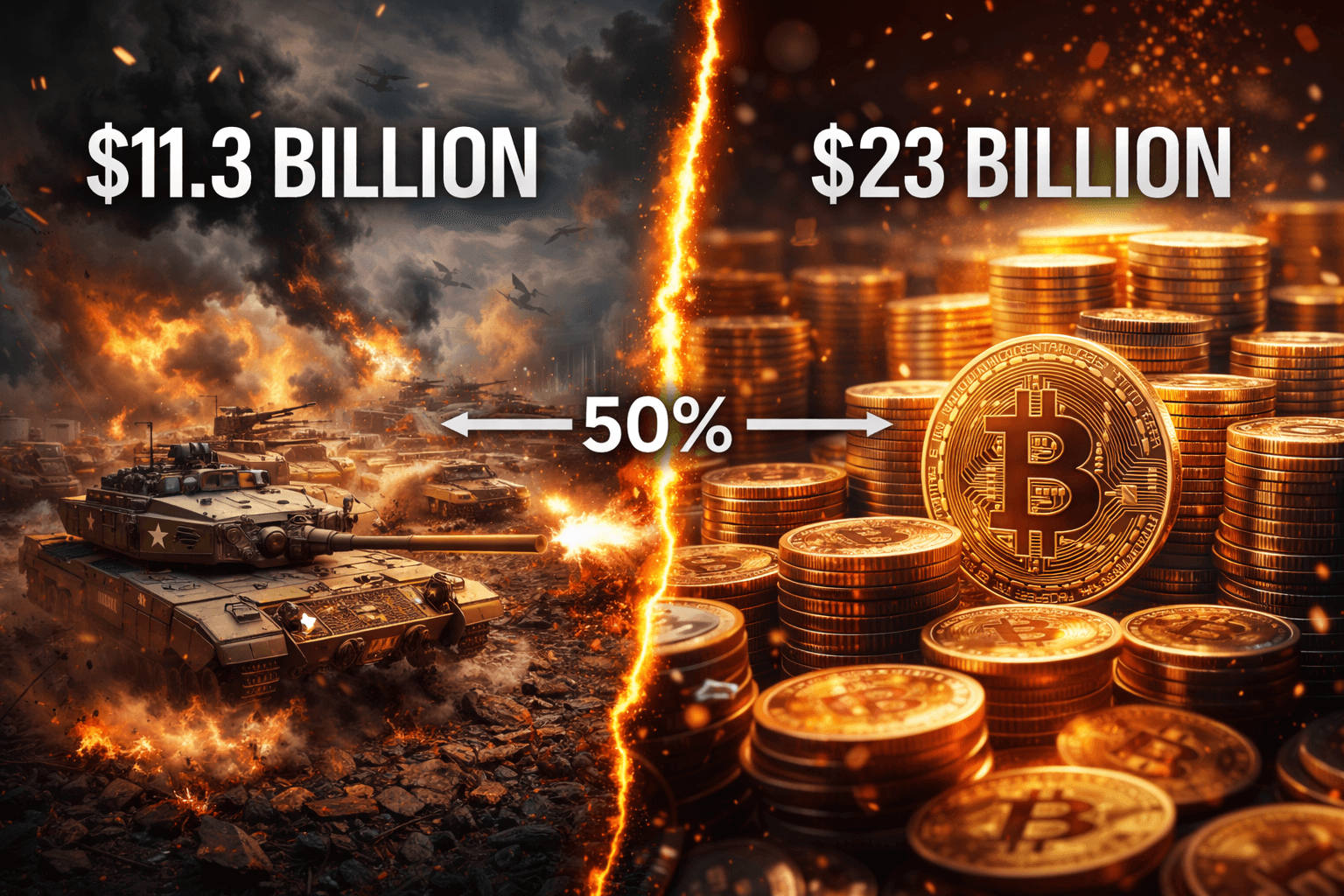
Iran War Spending Equals Half the Value of the U.S. Bitcoin Reserve in Just Six Days
1 min read · 14 Mar 2026

Prosecutors Push to Retry Tornado Cash Co-Founder Even as Washington Softens on Crypto Privacy
1 min read · 12 Mar 2026
Forget CPI and ETFs Oil Prices May Now Be the Biggest Signal for Bitcoin
1 min read · 8 Mar 2026

How SK Telecom Is Rebuilding Itself Around AI at MWC 2026
1 min read · 3 Mar 2026

Dubai and the UAE on the Frontlines: How the Iran Israel Conflict Has Reverberated Across a Global Hub
1 min read · 3 Mar 2026

US and Israel Military Strikes on Iran and the Escalation of Conflict in the Middle East
1 min read · 28 Feb 2026