
How Coinbase’s Vector Deal Turned a 10X Moonshot Into a Painful Lesson for Retail When Coinbase announced its acquisition of Vector.fun, traders across the crypto world initially assumed the news would be electric for the entire Tensor ecosystem. Vector, after all, was the rapid-fire Solana trading engine sitting at the heart of Tensor’s growth. But […]
When Coinbase announced its acquisition of Vector.fun, traders across the crypto world initially assumed the news would be electric for the entire Tensor ecosystem. Vector, after all, was the rapid-fire Solana trading engine sitting at the heart of Tensor’s growth. But as the real details surfaced, the story took a sharp and unexpected turn—one that showed just how fragile governance tokens can be when corporate interests collide with community expectations. The drama around TNSR, the Tensor governance token, became a perfect example of how quickly a booming token can flip into a painful loss for late retail buyers.
TNSR had been trading at rock-bottom prices, drifting around the low single digits of cents after spending the year lagging behind other Solana assets. Then something strange happened: just 48 hours before the Coinbase Vector deal went public, the token exploded. Price shot up over 10X, volume jumped from under $10 million a day to over $700 million, and then nearly $2 billion. To anyone watching the chart, it didn’t look like natural excitement it looked like someone, somewhere, knew something the public didn’t. And as always happens in these situations, early insiders rode the wave up while unsuspecting retail traders piled in at the top, hoping the pump would continue. As soon as the official news dropped, TNSR did the opposite of what many expected: it dumped hard, wiping out much of the gains that traders had chased.
The reason became clear fast. Coinbase didn’t buy Tensor. It didn’t buy the TNSR token either. It bought Vector, the piece of Tensor’s ecosystem that actually handled high-volume, fast-moving order flow. For Coinbase, acquiring that trading infrastructure made perfect sense. For token holders, however, it meant the core engine that once fed value into the ecosystem was now removed and none of the benefits flowed to TNSR. What was left was a token governing a marketplace without its most powerful growth tool. Many traders who bought TNSR during the pump felt blindsided, and for good reason. The deal gave Coinbase the technical treasure, while the token got left behind with no compensation, no revenue rights, and no influence over the outcome.
This moment exposed a deeper structural issue in crypto. Governance tokens often sound powerful, but in big corporate deals, they rarely have legal or financial claims. Equity holders negotiate, sign contracts, and receive payouts. Token holders, meanwhile, can be left with nothing except the hope that their community survives the transition. Coinbase, being one of the most compliance-focused companies in crypto, avoided anything that could be viewed as offering value to token holders, since that crosses into securities territory. So, from a legal standpoint, their move was clean. But from a community perspective, it looked like a corporate extraction: the buyer takes the engine, the token keeps the shell.
This raised uncomfortable questions for a company that has positioned itself as crypto’s “cleanest” and most transparent exchange. If a token linked to a soon to be acquired partner pumps massively before the announcement, even without direct wrongdoing, the optics are messy. And at a time when Coinbase is promoting its retail-friendly token launch platform, traders are watching closely to see whether the company truly supports fair markets or whether sophisticated players will always have an information edge.
For retail users, the entire episode is a cautionary tale. When a thinly traded token suddenly explodes in volume and price without any public catalyst, it’s almost always a sign that late buyers are walking into someone else’s exit door. And when a project’s most valuable asset can be sold separately from the token, governance becomes more of a symbolic gesture than a meaningful claim. Many new traders assume tokens behave like stocks. But this saga shows the opposite: without concrete rights, a token can soar on narrative and collapse just as quickly when reality hits.
The broader lesson for the crypto industry is just as important. If major companies continue acquiring infrastructure without considering token communities, trust in governance tokens will erode. People will treat them as short-term speculation rather than long-term ownership. And if builders know that only equity receives real value in deals, future token launches may become weaker, more cautious, and more disconnected from the actual economic engines that make ecosystems thrive.
Still, this story also shows crypto is maturing. M&A, corporate strategy, and legal structuring are becoming central to how projects evolve, and those forces don’t always align with community expectations. The Vector acquisition wasn’t the first moment where tokens were left behind, and it won’t be the last. But retail traders now have one more real-world example to remember the next time a token unexpectedly moons without a clear reason.
In the end, Coinbase gained a powerful Solana trading engine. Tensor kept its marketplace but lost its accelerator. And retail traders who bought into the hype learned an expensive lesson about liquidity, timing, and the limits of token governance. The market will eventually determine whether Coinbase’s move strengthens or weakens trust, but for now, it stands as a sharp reminder: in crypto, when news looks too good to be true, it often already was for someone else.

Iran’s Five Demands Show This War Is Moving Further From Peace, Not Closer
1 min read · 25 Mar 2026

A $200 Billion Iran War Bill Shows Just How Big The Stakes Have Become
1 min read · 23 Mar 2026

War Between the U.S., Israel, and Iran Escalates as Conflict Enters Third Week
1 min read · 16 Mar 2026

Venice Biennale Under Fire Over Russian Presence
1 min read · 14 Mar 2026
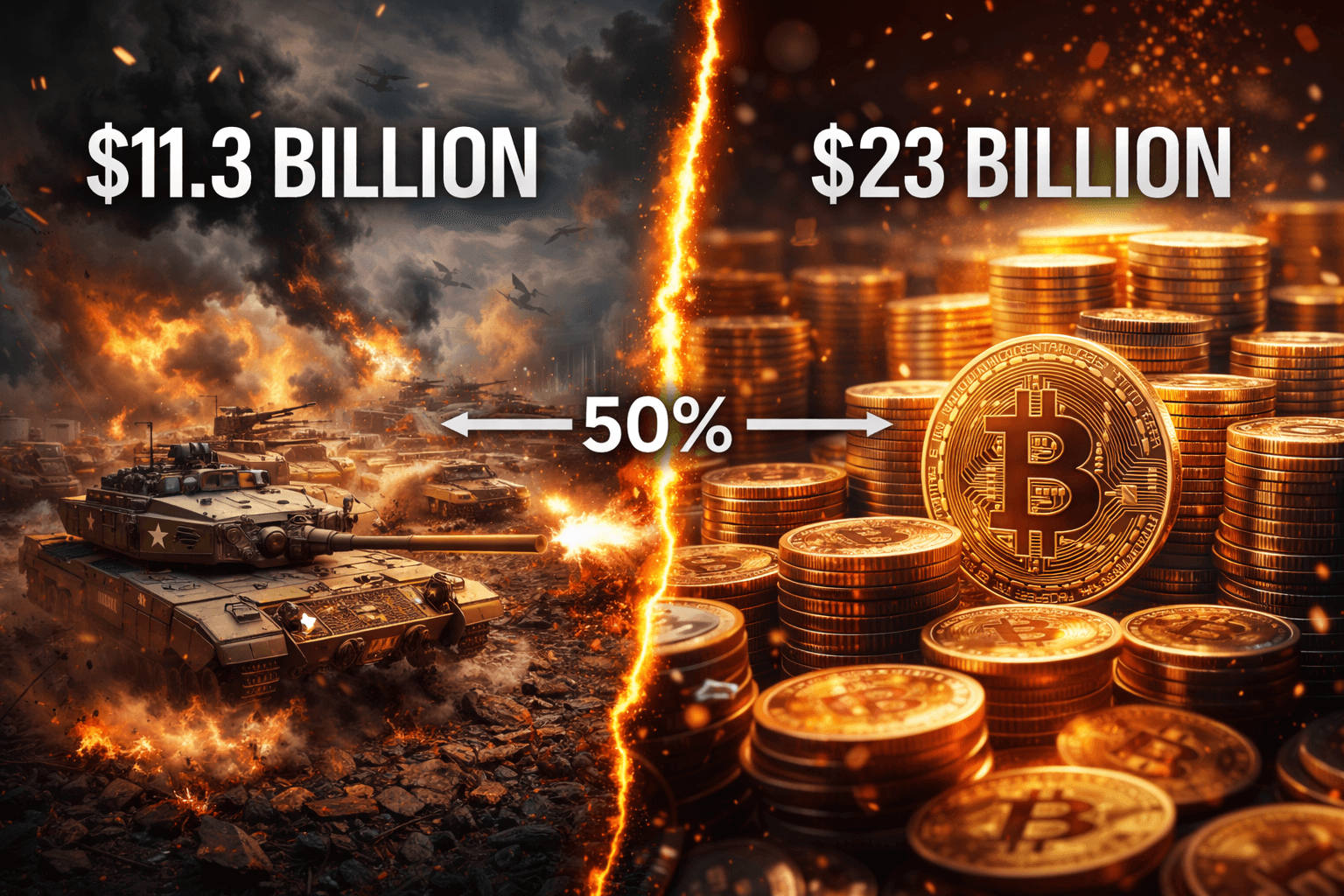
Iran War Spending Equals Half the Value of the U.S. Bitcoin Reserve in Just Six Days
1 min read · 14 Mar 2026

Prosecutors Push to Retry Tornado Cash Co-Founder Even as Washington Softens on Crypto Privacy
1 min read · 12 Mar 2026
Forget CPI and ETFs Oil Prices May Now Be the Biggest Signal for Bitcoin
1 min read · 8 Mar 2026

How SK Telecom Is Rebuilding Itself Around AI at MWC 2026
1 min read · 3 Mar 2026

Dubai and the UAE on the Frontlines: How the Iran Israel Conflict Has Reverberated Across a Global Hub
1 min read · 3 Mar 2026

US and Israel Military Strikes on Iran and the Escalation of Conflict in the Middle East
1 min read · 28 Feb 2026