
Why Solana’s New Validator Client Helps Yet Highlights Persistent Risks in Network Security Philosophy In December 2025, after more than three years of development and testing, Firedancer a new validator client developed by Jump Crypto for the Solana network officially went live on mainnet, marking a major technical milestone for the high-throughput blockchain. The launch […]
In December 2025, after more than three years of development and testing, Firedancer a new validator client developed by Jump Crypto for the Solana network officially went live on mainnet, marking a major technical milestone for the high-throughput blockchain.
The launch is not just a routine upgrade: Firedancer represents a fundamental shift in Solana’s approach to reliability and resilience, offering an alternative validator client that operates independently from the dominant software previously used by most nodes. This diversification is aimed at reducing the risk of single-client failure a vulnerability that has dogged Solana in the past and contributed to high-profile network outages.
Yet despite this progress, Solana still finds itself in a curious position when compared with Ethereum’s well-established safety philosophy. The CryptoSlate article underlying this discussion notes that Solana continues to breach a key safety rule that Ethereum treats as essential the principle of client diversity.
This concern exposes a deeper philosophical divide in how these two major blockchains think about decentralization, risk, and long-term security.
At its core, Solana’s Firedancer project was designed to break what many developers saw as a dangerous monoculture in validator software. For years, the vast majority of Solana’s validators relied on a single client Agave and its derivatives meaning that a flaw or bug in that codebase could affect most of the chain. The introduction of Firedancer aimed to create a second, industrial-grade client whose independent architecture could stand apart from the existing stack and thus improve Solana’s resilience to bugs or systemic failure.
The problem, however, is not simply one of having two clients. What Ethereum’s community and developers refer to as a “non-negotiable” safety rule is the idea that no single client should control more than a third of network stake. This guideline is rooted in formal Byzantine fault tolerance (BFT) theory, where a network can tolerate certain failures only so long as no single class of validator implementation dominates. In Ethereum’s case, the diversity of testable, independent clients each with distinct codebases and engineering philosophies has long been part of its decentralization roadmap.
In contrast, even with Firedancer operational, Solana still technically depends on the Rust-based Agave client for a majority share of validator stake, a level that exceeds the thresholds that many engineers and researchers consider safe. As of late 2025, this client concentration remains above the 33 percent mark that Ethereum views as a critical boundary in order to minimize the risk of incorrect finality or systemic failure.
Put simply: introducing a second client does not automatically solve the decentralization problem if most of the network remains tied to a single codebase.
The philosophical contrast between Solana and Ethereum on this point highlights how different networks prioritize trade-offs between performance and strict decentralization. Solana’s architecture pursues extremely high throughput, aiming for thousands of transactions per second, and does so by optimizing around hardware and consensus mechanisms that historically required heavier reliance on a consistent validator stack. Firedancer’s arrival broadens that stack, but migrating stake toward it and other independent clients is as much a network-incentives and governance challenge as it is a technical one.
By contrast, Ethereum’s commitment to client diversity stems from a long-standing belief that security and decentralization are inseparable. Clients like Geth, Nethermind, Besu, and Lighthouse are all engineered independently, and even when one client temporarily dominates stake, its share generally stays below the threshold that would endanger consensus under BFT principles. For Ethereum, this is not a negotiable optimization it’s a fundamental safety requirement for a proof-of-stake network where finality and honest participation matter above all.
This difference has both technical and institutional implications. Solana’s Firedancer client could indeed expand institutional interest, because enterprises looking to build regulated products typically demand demonstrable resilience and reduced operational risk. A multi-client environment is one such signal. However, risk-sensitive capital also pays attention to consensus safety and long-term decentralization metrics, which can influence decisions around custody, derivatives, staking services, and structured products.
On the broader market level, Solana has continued to attract significant attention from traders and institutions alike, achieving record highs in total value locked (TVL) amid fresh inflows a sign that performance and innovation continue to drive capital to its ecosystem.
Solana’s journey also reflects a broader truth in blockchain development: security is not a binary state but a continuum. Launching a client like Firedancer is a meaningful step, but fully achieving multi-client diversification takes time, incentives, and often cultural alignment among node operators, validators, and ecosystem partners. The fact that this conversation is now front and center suggests that Solana’s community is both aware of the trade-offs and actively working to address them a positive sign in itself.
In many ways, this mirrors challenges faced by other networks in history, including Ethereum. Early iterations of Ethereum also leaned toward client concentration until ecosystem forces from developers to infrastructure teams encouraged diversification and competition. Over time, that fostered the environment where multiple clients could coexist and thrive, reinforcing both performance and safety.
Ultimately, Solana’s Firedancer launch is a milestone worth celebrating. It signals a maturing ecosystem with the engineering talent and ambition to tackle deep architectural risks. However, the “one safety rule” critique clarifies that technical milestones alone don’t define a network’s long-term robustness. Achieving meaningful client diversity genuinely reducing stake concentration and avoiding single points of failure remains a crucial challenge.
For users, developers, and institutional participants alike, this underscores a key lesson: evaluating blockchains requires looking beyond headlines and performance benchmarks. A holistic view of security, decentralization, incentive alignment, and governance is essential to understanding which networks will stand the test of time. Solana is clearly evolving on that front and Firedancer’s arrival is a step in the right direction but the dialogue around safety rules and decentralization philosophies will continue as the ecosystem grows.
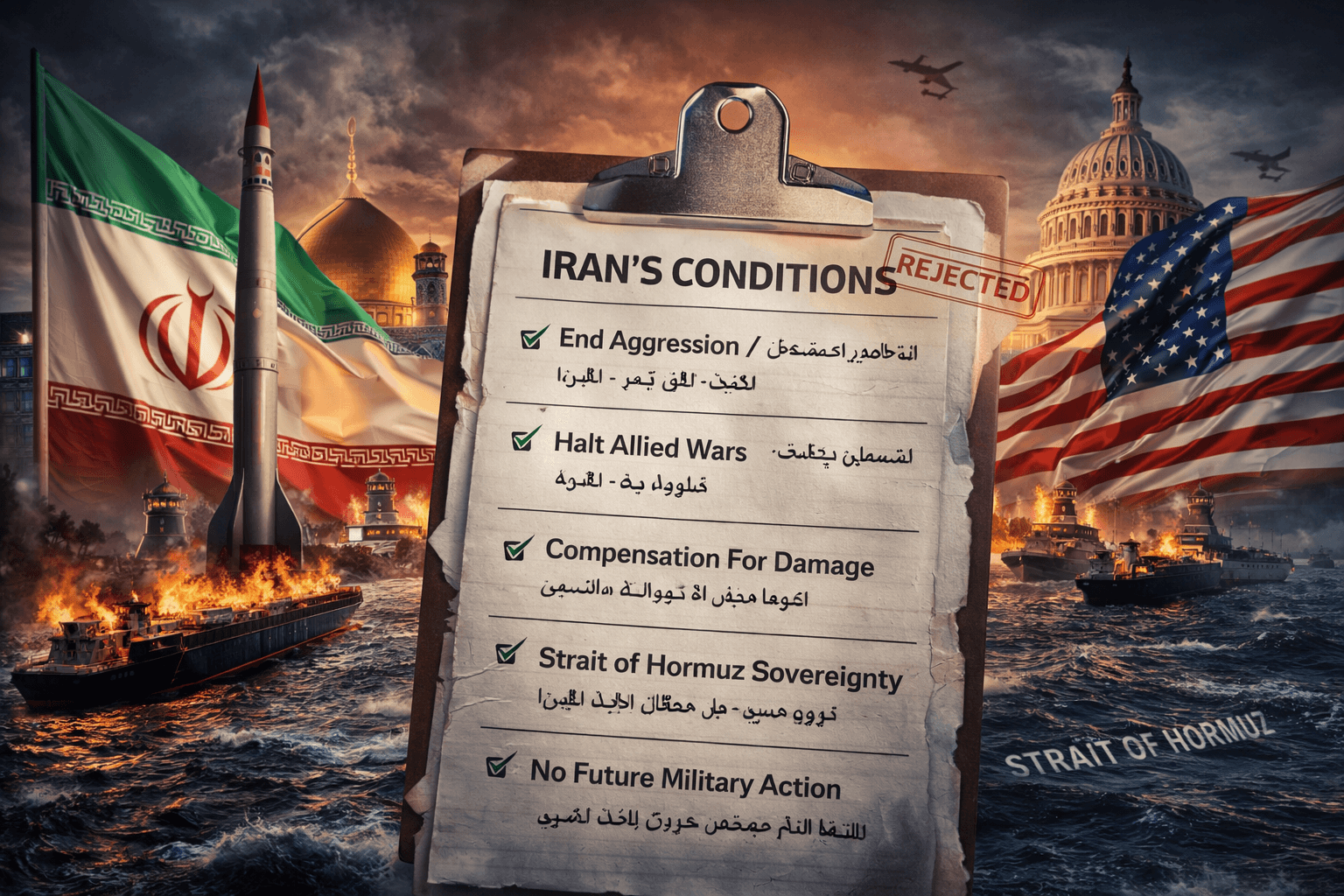
Iran’s Five Demands Show This War Is Moving Further From Peace, Not Closer
1 min read · 25 Mar 2026

A $200 Billion Iran War Bill Shows Just How Big The Stakes Have Become
1 min read · 23 Mar 2026

War Between the U.S., Israel, and Iran Escalates as Conflict Enters Third Week
1 min read · 16 Mar 2026

Venice Biennale Under Fire Over Russian Presence
1 min read · 14 Mar 2026
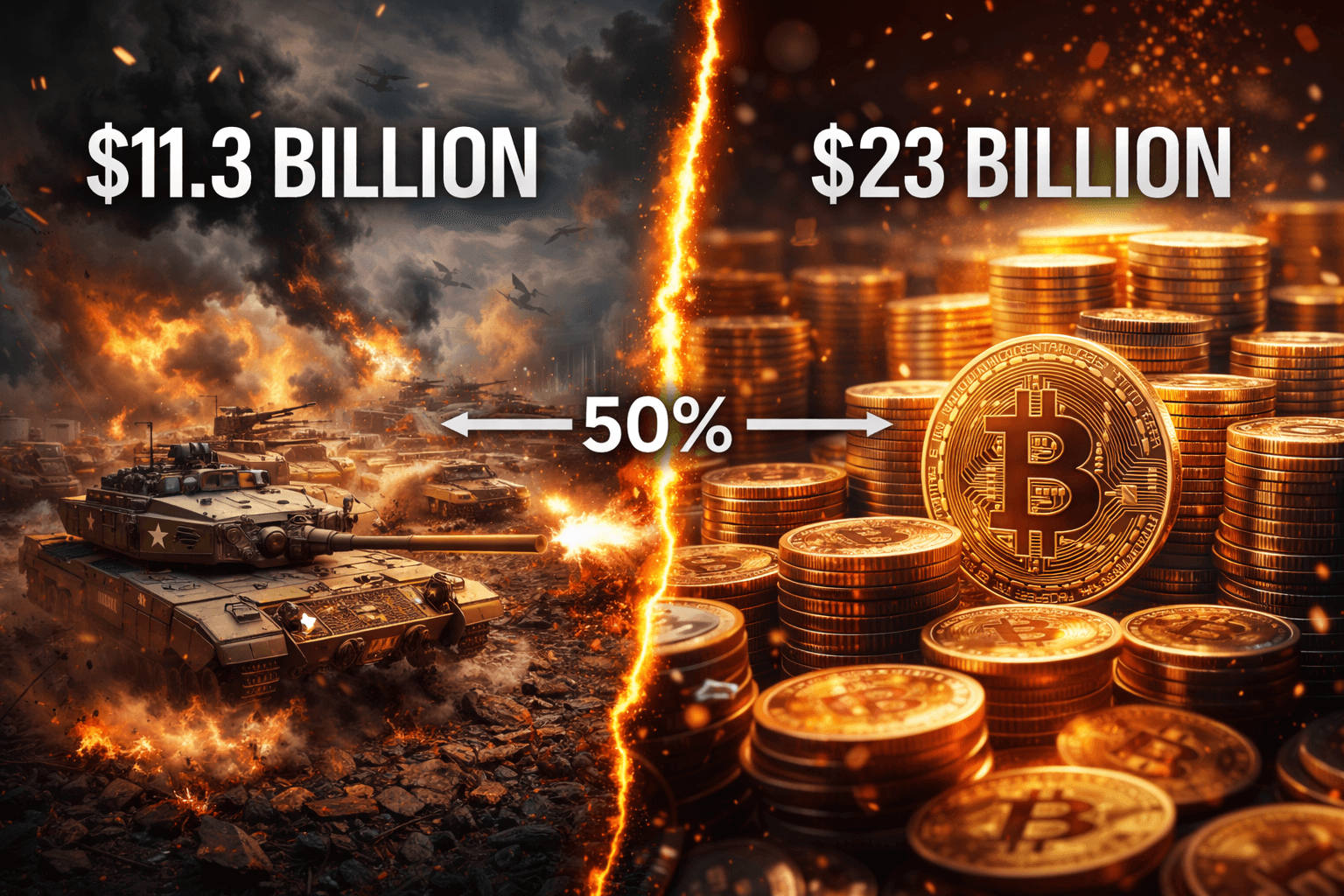
Iran War Spending Equals Half the Value of the U.S. Bitcoin Reserve in Just Six Days
1 min read · 14 Mar 2026

Prosecutors Push to Retry Tornado Cash Co-Founder Even as Washington Softens on Crypto Privacy
1 min read · 12 Mar 2026

Forget CPI and ETFs Oil Prices May Now Be the Biggest Signal for Bitcoin
1 min read · 8 Mar 2026

How SK Telecom Is Rebuilding Itself Around AI at MWC 2026
1 min read · 3 Mar 2026

Dubai and the UAE on the Frontlines: How the Iran Israel Conflict Has Reverberated Across a Global Hub
1 min read · 3 Mar 2026

US and Israel Military Strikes on Iran and the Escalation of Conflict in the Middle East
1 min read · 28 Feb 2026