
Swiss Regulator Probes FIFA’s 2026 World Cup Token Sales Switzerland’s gambling authority, Gespa, isn’t throwing accusations at FIFA, but it’s definitely curious. The agency just started looking into FIFA’s new “Right to Buy” tokens digital passes tied to the 2026 World Cup that let fans buy tickets at face value if their chosen team makes […]
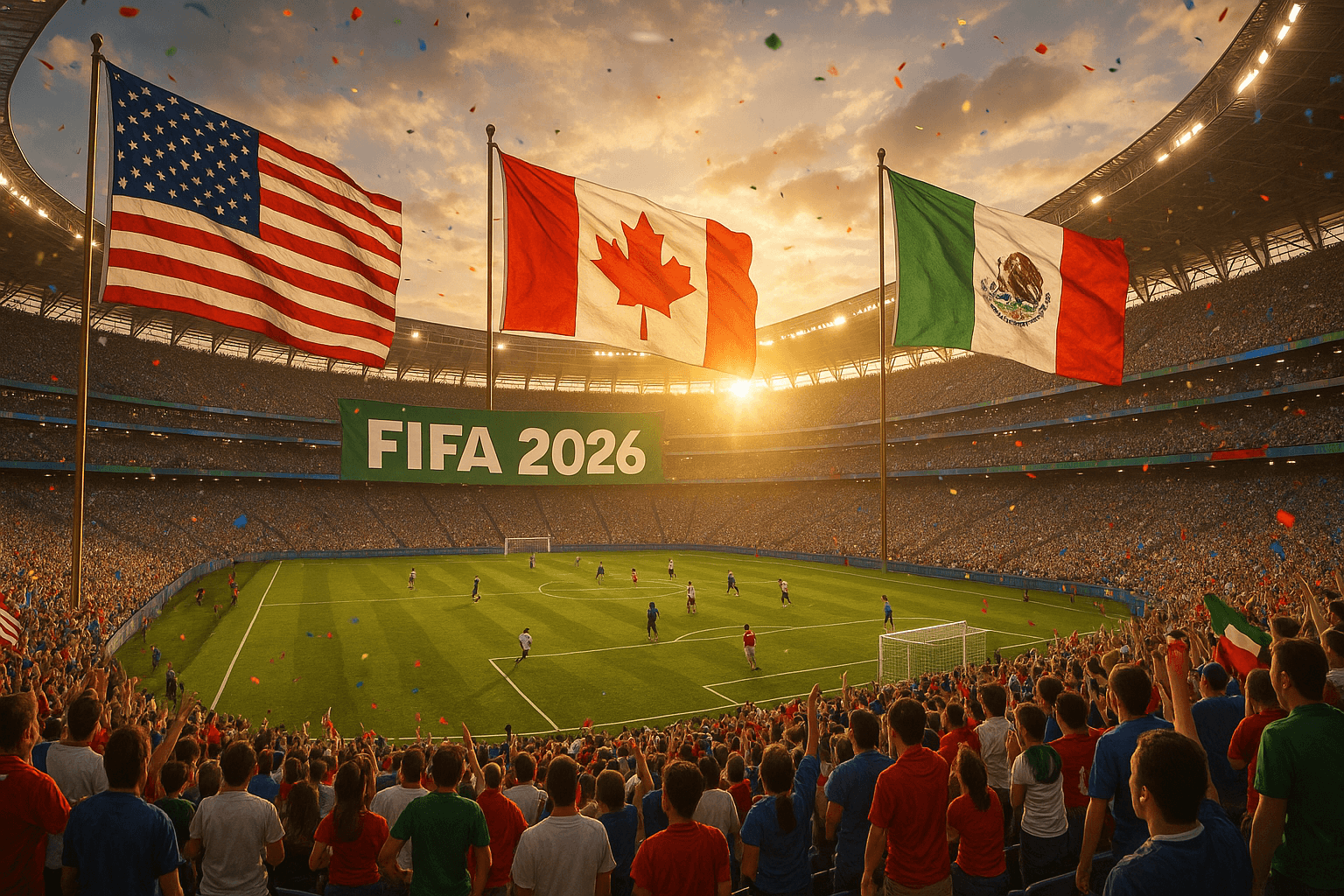
Switzerland’s gambling authority, Gespa, isn’t throwing accusations at FIFA, but it’s definitely curious. The agency just started looking into FIFA’s new “Right to Buy” tokens digital passes tied to the 2026 World Cup that let fans buy tickets at face value if their chosen team makes it through. Sounds simple enough, but since the whole thing depends on chance, Gespa wants to know: is this innovation or just gambling in disguise?
Fans are paying anywhere from $299 to $999 for these tokens, hoping their team goes the distance. If it does, they can buy tickets at normal prices. If it doesn’t, their token basically turns to dust. That setup money, chance, reward sure feels like gambling. So, Gespa’s digging in to see whether FIFA’s fan focused tech might actually belong under gambling law.
FIFA insists the tokens are about fairness and loyalty, not gambling. During the 2022 Qatar World Cup, over 23 million ticket requests chased just 3.4 million seats. Absolute chaos. For 2026, they say RTB tokens will bring order, helping dedicated fans get a fair shot. But because tokens can be traded and resold, critics say speculation is baked in.
On the tech side, FIFA ditched Algorand and jumped to Avalanche for faster transactions and smoother fan experiences. Partner Modex helps run the NFT marketplace, keeping wallets, compliance checks, and transaction histories transparent. It’s meant to build trust and keep regulators happy.
Still, Gespa’s main focus is fan protection. They want people to understand these tokens aren’t tickets just a chance to buy them. The review covers refunds, resales, and whether FIFA’s clear about probabilities. If it’s ruled gambling, FIFA might need licenses, limits, and age checks. But if cleared, it could reshape how the world handles digital tickets.
The reaction? Totally split. Crypto fans are calling it a game changer. Critics think it’s just emotional investing disguised as fandom. Prices could swing wildly with each match, turning excitement into a risky bet. It’s thrilling, sure but also a little dangerous.
And that’s what makes this moment so big. This isn’t just about FIFA or even football. It’s about how Web3 fits into the future of sports. If Switzerland gives it the green light, tokenized fan experiences might explode across global events. If not, it’ll stand as a warning: passion and profit don’t always play well together. For now, all eyes are on Switzerland where the world’s most loved game meets blockchain’s toughest test.
-300x200.png&w=3840&q=75)
The CLARITY Act fight shows banks are worried about stablecoins, not just crypto
1 min read · 9 May 2026
-300x200.png&w=3840&q=75)
The SEC’s crypto shift is really about whether old market rules can bend without breaking
1 min read · 8 May 2026
-300x200.png&w=3840&q=75)
Coinbase’s $300B dream still has to pass the boring infrastructure test
1 min read · 7 May 2026
Zcash’s rally shows privacy crypto is no longer hiding in the corner
1 min read · 7 May 2026
-300x200.png&w=3840&q=75)
Safe DeFi now starts with asking what can break before your money goes in
1 min read · 6 May 2026
-300x200.png&w=3840&q=75)
The CLARITY Act fight is really about who gets to hold the next dollar
1 min read · 6 May 2026
-1-300x200.png&w=3840&q=75)
Ethereum staking is becoming a Wall Street balance sheet business
1 min read · 5 May 2026

Bitcoin’s next test is not crypto, it is the bond market
1 min read · 4 May 2026

The stablecoin deal is really about who controls the next financial system
1 min read · 4 May 2026
-1-300x200.png&w=3840&q=75)
Dormant Ethereum wallets show the danger of old crypto secrets
1 min read · 1 May 2026