

How Global Rules Came Into Focus and What They Mean for Crypto Users and Markets In 2025, the world of cryptocurrency saw some of the most consequential regulatory changes in its history, transforming what had long been a patchwork of uncertainty into a more predictable and structured environment for businesses, investors, and everyday users alike. […]
In 2025, the world of cryptocurrency saw some of the most consequential regulatory changes in its history, transforming what had long been a patchwork of uncertainty into a more predictable and structured environment for businesses, investors, and everyday users alike. This year marked a departure from the era of “invest at your own risk” toward a landscape defined by meaningful rules, consumer safeguards, and clearer legal status for digital assets both for firms operating in the space and the people who use their products.
A central theme of the year was the operational rollout of frameworks that had been under discussion for years but only came into force in 2025. In the European Union, the Markets in Crypto-Assets Regulation (MiCA) moved from consultation to actual implementation, creating a unified rulebook for crypto-asset issuers and service providers across all 27 member states. MiCA’s rules covering things like licensing, transparency, and investor protection aimed to reduce legal fragmentation and encourage market integrity throughout the bloc.
Meanwhile, in the United States, regulators and lawmakers made notable strides after years of stalled bills and regulatory ambiguity. A key legislative milestone was the passage of the GENIUS Act, a federal law focused on stablecoin oversight. This act required stablecoins digital tokens pegged to traditional assets like the U.S. dollar to meet strict backing and transparency standards, effectively offering the first modern regulatory framework for these widely used tokens in the U.S. Stablecoin rules were among the most important regulatory topics of the year because these assets underpin everything from payments to decentralized finance.
Outside the U.S. and EU, other regulators also advanced major policy changes. Hong Kong introduced a comprehensive stablecoin framework that became a regional benchmark for issuer requirements, reserve standards, and anti-money-laundering controls. Similarly, countries like Pakistan launched new institutions to oversee virtual assets and shape digital finance policy, signaling that emerging markets were also taking proactive approaches to crypto governance.
The shift in regulatory focus was not limited to new statutes; it also included modernizing existing legal frameworks to recognize the realities of digital finance. Several jurisdictions including Australia moved to require crypto firms to obtain traditional financial services licensing and to comply with established regulations for custody, consumer protections, and market conduct. These changes reduced regulatory ambiguity for exchanges, wallets, and other crypto service providers, allowing them to operate with greater legal certainty.
Another crucial development in 2025 was the broader policy emphasis on combating illicit finance while supporting innovation. Regulators expanded anti-money-laundering and counter-terrorism financing controls to include crypto service providers, improving reporting obligations and risk management expectations. These efforts helped align digital asset markets with traditional financial standards, making it harder for bad actors to exploit gaps while also encouraging legitimate players to adopt robust compliance systems.
The regulation of stablecoins, in particular, drew attention because of their pervasive use in crypto markets as a bridge between digital assets and traditional value. Well-regulated stablecoin frameworks like those introduced under both the GENIUS Act in the U.S. and other regional efforts provided clearer requirements on reserves, audits, and transparency. This focus directly influenced how institutional investors and financial institutions view digital currencies, easing concerns about systemic risk and promoting confidence among traditional market participants.
2025 also saw a shift in enforcement approaches in some jurisdictions. Instead of relying primarily on enforcement actions and penalties, regulators increasingly favored rules-first frameworks that clarify compliance expectations in advance. That fundamental shift helped reduce legal uncertainty for firms and provided a clearer roadmap for how digital asset businesses could operate within national and international law.
For everyday users and investors, the year’s regulatory changes had tangible benefits. Clearer rules meant stronger consumer protections, more transparent disclosures from service providers, and higher standards for how digital assets are marketed and sold. In markets with cohesive frameworks, investors have better tools to assess risks, understand their rights, and pursue recourse if something goes wrong.
Looking ahead, many analysts view the 2025 wave of regulation as a foundation for future growth. Rather than dampening innovation, these frameworks are expected to increase institutional participation, encourage cross-border cooperation, and foster a healthier ecosystem where capital can flow with greater confidence and legal clarity. Regulation may continue evolving into 2026 and beyond, but the groundwork laid in 2025 set the tone for how digital assets will be integrated into mainstream finance while balancing innovation and protection.
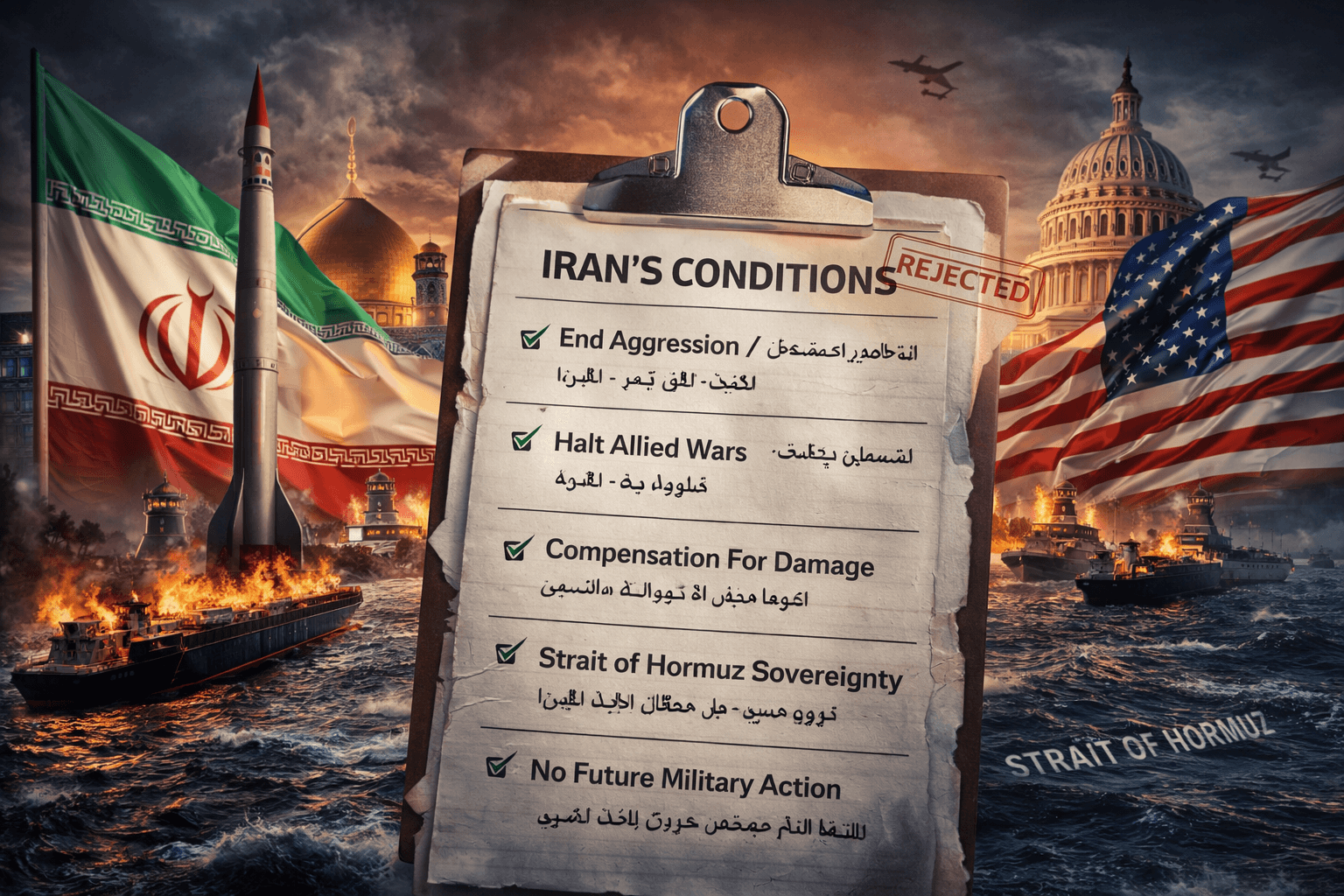
Iran’s Five Demands Show This War Is Moving Further From Peace, Not Closer
1 min read · 25 Mar 2026

A $200 Billion Iran War Bill Shows Just How Big The Stakes Have Become
1 min read · 23 Mar 2026

War Between the U.S., Israel, and Iran Escalates as Conflict Enters Third Week
1 min read · 16 Mar 2026

Venice Biennale Under Fire Over Russian Presence
1 min read · 14 Mar 2026
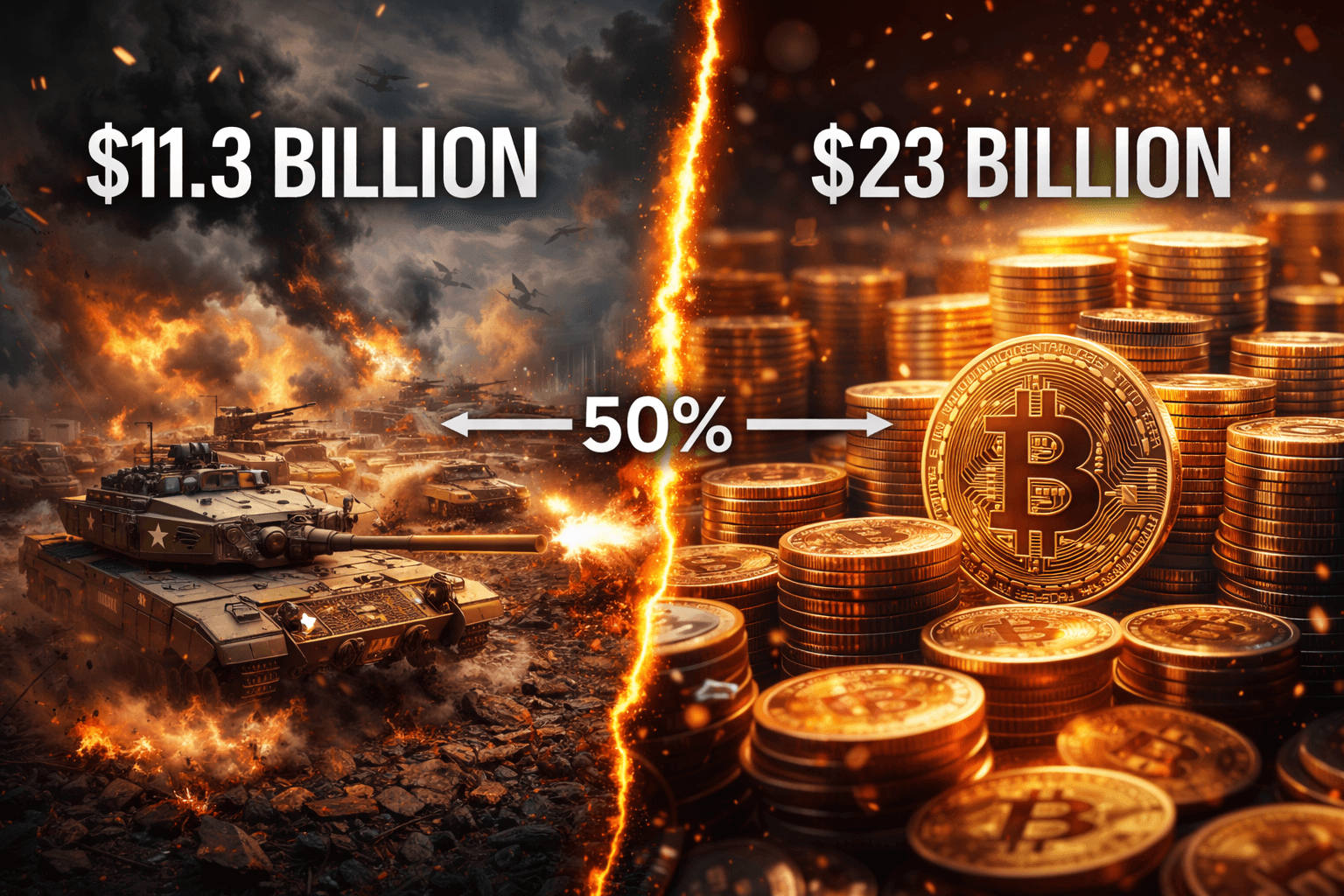
Iran War Spending Equals Half the Value of the U.S. Bitcoin Reserve in Just Six Days
1 min read · 14 Mar 2026

Prosecutors Push to Retry Tornado Cash Co-Founder Even as Washington Softens on Crypto Privacy
1 min read · 12 Mar 2026

Forget CPI and ETFs Oil Prices May Now Be the Biggest Signal for Bitcoin
1 min read · 8 Mar 2026

How SK Telecom Is Rebuilding Itself Around AI at MWC 2026
1 min read · 3 Mar 2026

Dubai and the UAE on the Frontlines: How the Iran Israel Conflict Has Reverberated Across a Global Hub
1 min read · 3 Mar 2026

US and Israel Military Strikes on Iran and the Escalation of Conflict in the Middle East
1 min read · 28 Feb 2026