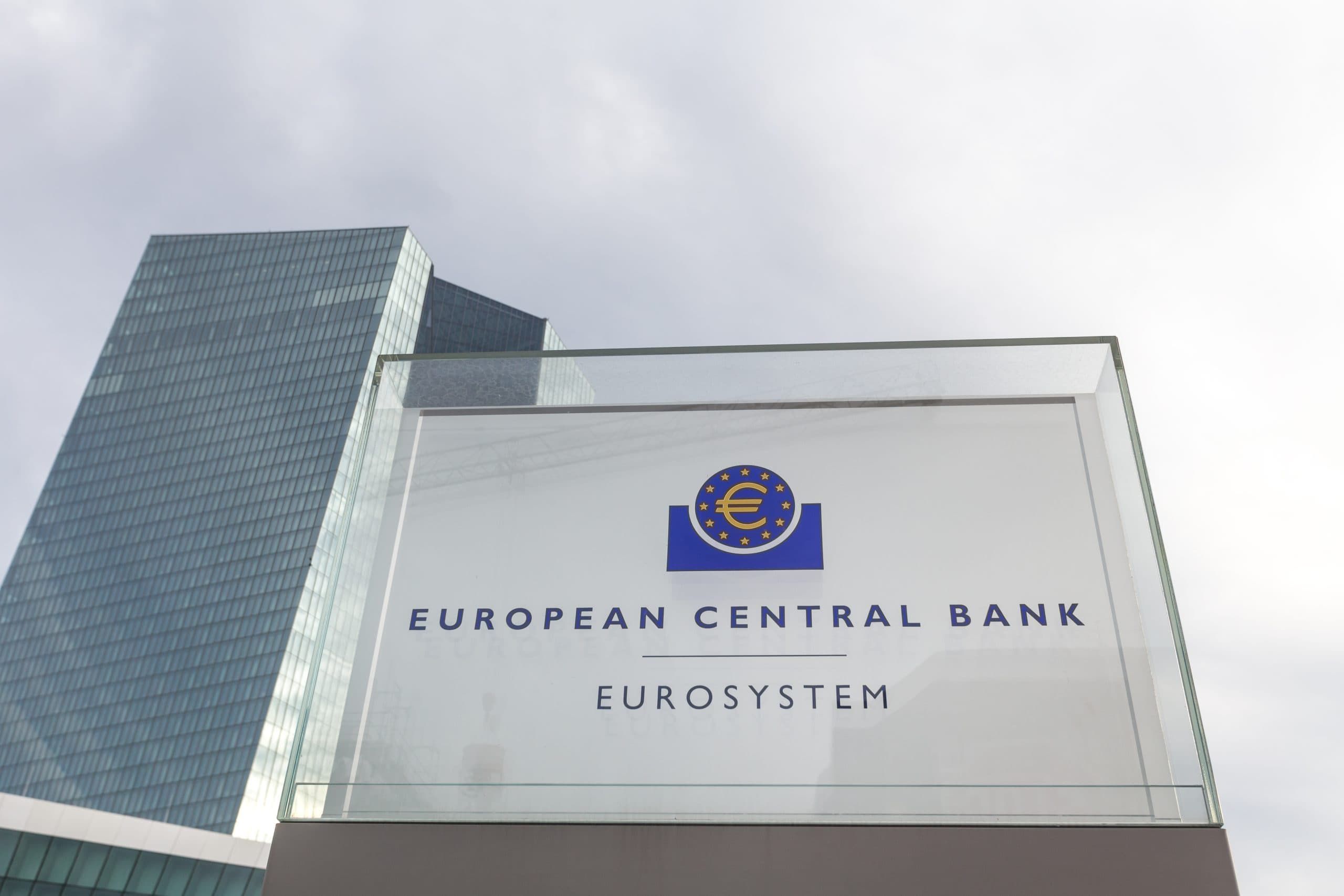

Digital Euro, Chooses Key Service Providers The European Central Bank has finally hit “go.” After years of studies and policy talk, the digital euro is officially moving from concept to construction. The ECB has picked its key partners, marking the moment Europe’s central bank digital currency stopped being theory and started being built. At the […]
The European Central Bank has finally hit “go.” After years of studies and policy talk, the digital euro is officially moving from concept to construction. The ECB has picked its key partners, marking the moment Europe’s central bank digital currency stopped being theory and started being built.
At the center of it all is Feedzai, a Portuguese AI company working with PwC on fraud detection a four year contract worth about €237 million. Capgemini and several other firms are also on board, with contracts ranging from €27 million to €220 million. More than 70 banks, fintechs, and merchants are already in testing, running live experiments on programmable payments, offline transactions, and privacy tools. The idea has become real code.
Europe’s motivation is clear. The region doesn’t want to depend on U.S. payment networks or dollar backed stablecoins to move money. The digital euro is designed as a European public option controlled by Europe, built for Europe.
The ECB insists the project won’t replace cash but will work alongside it. Basic services will be free, and offline payments will still function. Privacy is also central to the plan, though lawmakers and civil rights groups continue to debate how strong those protections will be.
Banks have their own concerns. Many fear that digital euro wallets could drain deposits in a financial crisis. The ECB has proposed safeguards limits, non interest-bearing accounts to reduce that risk. Balancing innovation with stability won’t be easy.
Still, momentum is real. Feedzai’s contract (Fraud Detection & AML Platform) is one of the largest public digital infrastructure deals in Europe’s history. The ECB’s multi vendor model shows a clear shift it wants agility and resilience, not bureaucracy and bottlenecks.
With China’s digital yuan already in play and the U.S. still debating its own version, Europe’s taking a bold middle path: build first, refine later. If all goes as planned, the digital euro could be fully operational by 2029. But in reality, it’s already alive in testing, in code, and in contracts.
And maybe that’s the real story here. The ECB isn’t just building a digital currency; it’s building trust between people and institutions, innovators and policymakers. It’s a quiet revolution, one line of code at a time.

Privacy Freedom of Speech and Movement in an Age of Surveillance A Deep Look at Higher Education and Civil Rights
1 min read · 24 Jan 2026

Why Bitcoin Holders Are Moving Offline and What It Means for the Future
1 min read · 22 Jan 2026

Copper’s Hidden Impact on Crypto Markets What Traders Are Missing
1 min read · 18 Jan 2026

SEC Chair Predicts Tokenization Boom A New Financial Frontier
1 min read · 18 Jan 2026

AI Energy Surge and Bitcoin Mining in 2026
1 min read · 12 Jan 2026

Ukraine Moves to Resume POW Exchanges With Russia, Aims to Repatriate 1,200 Captives
1 min read · 16 Nov 2025

$100 Million Corruption Scandal Rocks Kyiv: Operation Midas
1 min read · 12 Nov 2025

Shibarium Reboots After $4M Exploit, Promises User Refund
1 min read · 3 Oct 2025

Justin Sun’s TOKEN2049 Roast LOL
1 min read · 3 Oct 2025

Wallet First Tokenized Stocks / Wall Street 247
1 min read · 2 Oct 2025