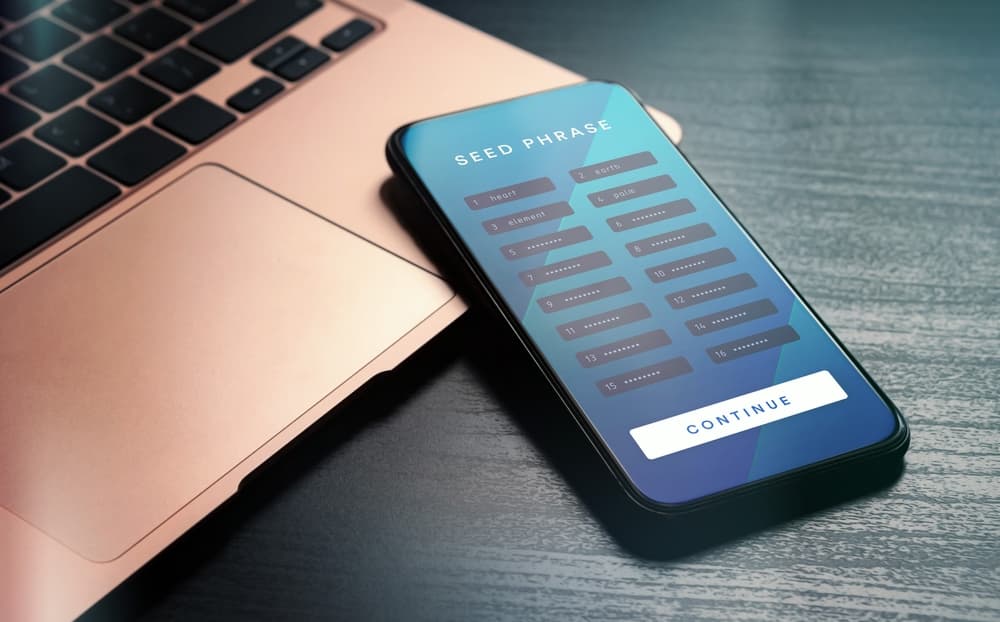

In the fast paced world of cryptocurrency, wallet hygiene has become a vital survival skill. Just like personal hygiene keeps us healthy, wallet hygiene protects your digital assets from theft, scams, and outright loss. In 2025, with cyber threats growing more complex, maintaining rigorous crypto wallet hygiene isn’t optional it’s mandatory. As a wallet owner, […]
In the fast paced world of cryptocurrency, wallet hygiene has become a vital survival skill. Just like personal hygiene keeps us healthy, wallet hygiene protects your digital assets from theft, scams, and outright loss. In 2025, with cyber threats growing more complex, maintaining rigorous crypto wallet hygiene isn’t optional it’s mandatory.
As a wallet owner, it’s your responsibility to stay up to date with the latest practices and threats. What follows is only a starter guide, not a complete security manual. The crypto landscape evolves quickly, so ongoing learning and vigilance are essential.
In this guide, we dive into the latest updates and best practices (as of mid-2025) around crypto wallet hygiene, combining insights from the CoinTracker post “Crypto Wallet Hygiene” and fresh developments across the crypto & security landscape from recent web research and personal experience. We’ll cover fundamentals, advanced techniques, common pitfalls, and how to turn good habits into lifelong security routines.
Custodial wallets let an exchange/service hold your keys (easy but you give up control); non-custodial wallets put you in charge of keys and responsibility “not your keys, not your crypto.” Hot wallets (online mobile/desktop/browser/web) are convenient but attack-prone; cold wallets (hardware, paper, air-gapped) are far safer; many use a hybrid: small spending funds hot, long-term funds cold. Emerging models include multisig/threshold and MPC setups, privacy/smart wallets with identity features, NFC card wallets, and new non-custodial recovery schemes useful, but hygiene still rules.
Core hygiene: least privilege, segmentation by purpose, redundant secure backups, thorough logging, regular audits/rotation, and ongoing user awareness. A clean setup: choose the right wallet type, install from official sources, (ideally) generate offline, record seed on durable media, split and secure backups, never store seeds digitally, add strong passphrases/PINs, keep a small “burner” wallet, test recovery, and fund gradually.
Protect seeds like crown jewels: use metal backups, SSS shards, geographic separation, optional 25th-word, and periodic recovery drills. Secure devices with a dedicated wallet machine, updates, full-disk encryption/secure boot, minimal software, AV scans, VM/sandbox for risky sites, and no rooted/jailbroken devices. Strengthen with multisig/MPC, cold fallback keys, recovery partners, and timelocks. Segment wallets for spending, cold savings, staking, airdrops/testing, and business/tax. Interact safely with contracts: review code, cap allowances, use separate airdrop wallets, revoke approvals, and simulate first.
Monitor and audit with explorers, alerts, exports, and 3 / 6-month reviews minimize risks from APIs/extensions via read-only keys, strict permissions, updates, profile separation, and hardware wallet signing. 2025 threats include extension vulnerabilities (many wallets had exploitable issues), AI driven phishing/deepfakes, physical coercion, and novel privacy/compliance and OAuth style recoveries stay patched, skeptical, and discreet.
Use ecosystem defenses like address checkers, anomaly detection, and formal verification tools. Maintain a simple routine: update firmware, back up seeds, segment wallets, revoke approvals monthly, audit regularly, test recovery yearly, monitor continuously, prune extensions, prefer read-only APIs, set up multisig, and sign with hardware—build habits and evolve as threats evolve.
Conclusion & Looking Ahead
Crypto wallet hygiene is more than a buzzword in a world where billions are stolen in seconds, your habits are your firewall. In 2025, threats are evolving fast: AI phishing, extension exploits, offline attacks, and new wallet models demand we stay vigilant.
We’ve walked through the anatomy of secure wallet setups, seed protection, device hygiene, segmentation, integration safety, and monitoring. We also examined emerging threats and future directions. But the most important insight is this: security is a journey, not a destination.
Cultivate habits, audit yourself, stay informed, and treat wallet hygiene like your daily health. Over time, you’ll build a resilient, clean, and defensible crypto fortress one that can evolve as threats evolve.
FAQs
What is the difference between wallet hygiene and wallet security? Wallet security refers to the tools, practices, and protocols that protect your wallet (hardware, software, encryption). Wallet hygiene is the day to day habits and discipline you follow to maintain that security over time.
Can I store my seed phrase digitally (e.g., in password manager)? It’s strongly discouraged. Digital storage (cloud, device) is vulnerable to hacking or malware. Use physical/metal backups, split shards, or offline vaults instead.
Is a hardware wallet enough to protect my crypto? A hardware wallet is a strong defense, but it must be used with good hygiene: secure setup, clean device, backups, multisig structure, and cautious contract interactions.
How often should I audit/revoke smart contract approvals? Every 1–3 months is a good cadence. Revoke any allowances you no longer use this reduces your attack surface.
What do I do if my seed phrase is exposed or compromised? Immediately create a new wallet, move all funds to it (with a fresh seed and stronger defenses), and abandon the compromised wallet entirely. Don’t reuse it for anything.
-300x200.png&w=3840&q=75)
The CLARITY Act fight shows banks are worried about stablecoins, not just crypto
1 min read · 9 May 2026
-300x200.png&w=3840&q=75)
The SEC’s crypto shift is really about whether old market rules can bend without breaking
1 min read · 8 May 2026
-300x200.png&w=3840&q=75)
Coinbase’s $300B dream still has to pass the boring infrastructure test
1 min read · 7 May 2026

Zcash’s rally shows privacy crypto is no longer hiding in the corner
1 min read · 7 May 2026
-300x200.png&w=3840&q=75)
Safe DeFi now starts with asking what can break before your money goes in
1 min read · 6 May 2026
-300x200.png&w=3840&q=75)
The CLARITY Act fight is really about who gets to hold the next dollar
1 min read · 6 May 2026
-1-300x200.png&w=3840&q=75)
Ethereum staking is becoming a Wall Street balance sheet business
1 min read · 5 May 2026

Bitcoin’s next test is not crypto, it is the bond market
1 min read · 4 May 2026

The stablecoin deal is really about who controls the next financial system
1 min read · 4 May 2026
-1-300x200.png&w=3840&q=75)
Dormant Ethereum wallets show the danger of old crypto secrets
1 min read · 1 May 2026