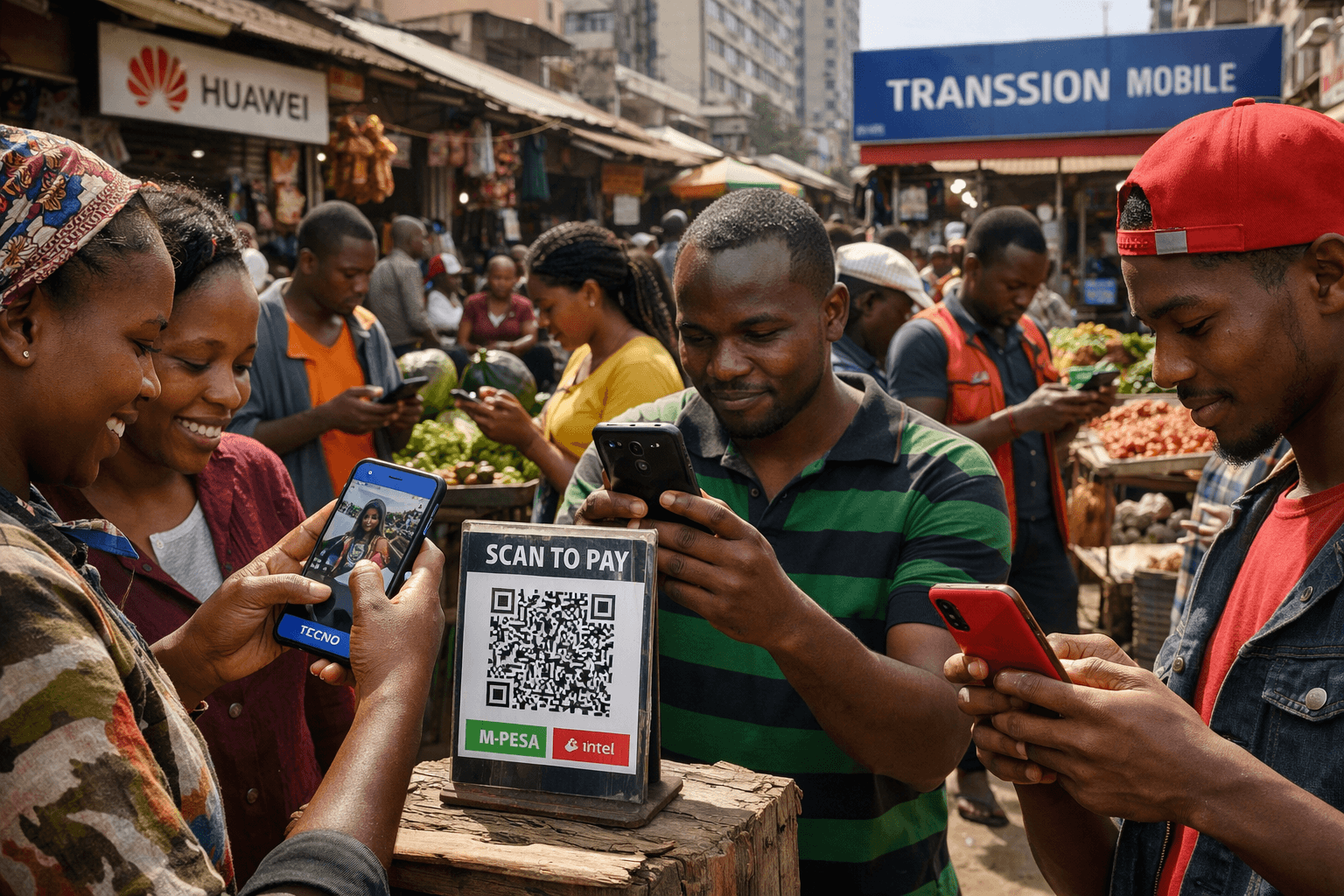

Exploring how Chinese technology is reshaping Kenya’s digital economy China’s influence on Kenya’s digital landscape is a story of global connections economic change and everyday life. At first glance the journey begins with something as simple as affordable mobile phones made by Chinese manufacturers. But peel back the layers and you find a narrative that […]
China’s influence on Kenya’s digital landscape is a story of global connections economic change and everyday life. At first glance the journey begins with something as simple as affordable mobile phones made by Chinese manufacturers. But peel back the layers and you find a narrative that touches on digital entrepreneurship the rise of Nairobi’s tech scene often called the “Silicon Savannah” and broader questions about how global technologies can shape economic futures. This article draws from reporting on the new book Silicon Elsewhere: Nairobi Global China and the Promise of Techno Capital and research into how Chinese phones hardware and software have transformed digital experiences in Kenya and beyond.
One of the most visible signs of China’s impact on Kenya’s digital transformation is the spread of affordable Chinese-made smartphones across the country. When writer Andrea Pollio first arrived in Nairobi he immediately noticed the ubiquity of cheap Chinese phones that made it possible to access mobile money apps social platforms and local services. These devices were not just gadgets they were gateways to participation in Kenya’s fast-growing digital economy.
Chinese phone manufacturers such as Transsion Holdings with brands like TECNO itel and Infinix have carved out a dominant position in the African market by focusing on affordability features tailored to local needs and wide distribution networks. In many parts of Kenya these brands outsell global giants like Samsung and Apple because they offer value pricing long battery life and localized software support.
Affordable hardware matters because for many Kenyans smartphones are the primary way to access the internet digital services and financial tools like mobile money. Before these devices were widely available users had limited means to engage with digital platforms that now shape commerce communication and community.
Chinese phones have made digital tools more accessible across Kenya especially in rural areas where traditional desktop computing has limited reach. Farmers traders and small business owners have embraced mobile apps that allow them to check market prices communicate with customers and access financial services. Reports show that Chinese devices and platforms have helped reduce exploitation by brokers and intermediaries by putting real-time information directly into users’ hands.
This transformation is not just about owning a device. The hardware and software ecosystems that come pre-installed on many Chinese phones make it easier for users to access local language keyboards social networking tools and essential services. Some companies even embed apps aimed at specific markets strengthening local engagement and utility.
The story of cheap Chinese phones ties into a larger narrative about Kenya’s ambition to build a thriving tech ecosystem. Nairobi often dubbed the Silicon Savannah has become a hub for startups investors and innovation labs. In Silicon Elsewhere: Nairobi Global China and the Promise of Techno Capital Andrea Pollio examines how digital capital from China intersects with the city’s innovation scene.
Pollio’s work traces Kenya’s tech evolution from early mobile phone adoption to the broader cultural economic and political forces shaping technology in Nairobi. Central to this is the realization that affordable Chinese hardware provided a foundation upon which digital platforms and entrepreneurial ventures could grow. It helped bring large portions of the population online and created fertile ground for digital services that address local challenges and opportunities.
The book highlights how digital engagement in Kenya is shaped not only by global tech giants but also by technologies imported from China that often meet users where they are economically socially and culturally. These technologies become part of everyday life opening doors to new economic possibilities and reshaping how people communicate work and transact.
China’s role in Kenya’s digital ecosystem is part of a wider pattern of engagement across the African continent. Chinese technology companies are increasingly influential not only in smartphone markets but also in infrastructure projects digital trade initiatives and connectivity efforts. These efforts are often linked to China’s broader Digital Silk Road strategy a tech-focused extension of its Belt and Road Initiative that aims to build digital infrastructure and deepen cross-border tech engagements.
The rapid adoption of Chinese technology in Africa raises important questions about digital governance data privacy and economic dependency. While many local users appreciate affordable access to digital tools and services concerns remain about long-term impacts such as data flows control over digital platforms and the potential for technology to influence social and political environments. These are complex conversations that nonprofits governments civil society and scholars continue to explore.
Kenya’s experience with Chinese phones and digital technologies is emblematic of how global tech flows shape local realities. What began as the importation of cheap mobile devices has contributed to a broader digital transformation enabling millions of Kenyans to connect share information access services and participate in the digital economy. Tools that once seemed out of reach are now common in pockets pockets urban centres and villages alike.
At the same time the story is a reminder that technology is not neutral. The hardware we use and the platforms we engage with influence how we work learn and interact. Understanding the dynamics of global tech including China’s growing role in places like Kenya is crucial for anyone interested in digital equity economic development and the future of connectivity around the world.
-2-300x200.png&w=3840&q=75)
CLARITY Act vote moves crypto from lobbying fight to Senate floor test
1 min read · 15 May 2026
-300x200.png&w=3840&q=75)
XRP scam surge shows crypto’s trust problem is getting more professional
1 min read · 14 May 2026
-300x200.png&w=3840&q=75)
The CLARITY Act fight is really about who controls the next layer of digital money
1 min read · 13 May 2026
-2-300x200.png&w=3840&q=75)
AI’s Last Mile Is Not Better Models, It Is Cheaper Workflows
1 min read · 12 May 2026
-300x200.png&w=3840&q=75)
JPMorgan Is Building A Cash Stack, Not Picking A Blockchain Winner
1 min read · 12 May 2026

Circle’s Arc push shows the stablecoin war is moving from tokens to infrastructure
1 min read · 12 May 2026
-300x200.png&w=3840&q=75)
The stablecoin rewards fight is really about who controls the next customer dollar
1 min read · 11 May 2026
-2-300x200.png&w=3840&q=75)
The CLARITY Act now depends on seven Democrats and the politics of trust
1 min read · 11 May 2026
-2-300x200.png&w=3840&q=75)
DeFi’s $16.5 Billion Security Bill Is Forcing Crypto To Grow Up
1 min read · 11 May 2026
-300x200.png&w=3840&q=75)
Chainlink’s $3 Billion DeFi Moment Shows Security Is Becoming Crypto’s New Growth Engine
1 min read · 10 May 2026