

How a Small Island Nation Could Lead the Future of Digital Finance Bermuda is charting a bold new course in global finance. In a recently unveiled initiative, the Government of Bermuda announced plans to build the world’s first fully onchain national economy a transforming vision that uses blockchain technology and digital assets to power everyday […]
Bermuda is charting a bold new course in global finance. In a recently unveiled initiative, the Government of Bermuda announced plans to build the world’s first fully onchain national economy a transforming vision that uses blockchain technology and digital assets to power everyday financial life for citizens, businesses, and government. This effort is being developed with the support of major blockchain innovators including Coinbase and Circle, and represents a major step in real-world adoption of digital finance infrastructure.
An onchain national economy refers to an economic system where core financial activities from payments to settlements are recorded, settled, and secured on public or permissioned blockchain networks. This means moving beyond pilot projects or limited use cases to integrating digital asset infrastructure at the scale of an entire country’s economy.
In Bermuda’s vision, everyday transactions whether between consumers and merchants, government services, or financial institutions would increasingly use digital financial infrastructure such as stablecoins or tokenized assets, reducing friction from traditional payment rails and increasing transparency, speed, and accessibility.
The announcement of this initiative was shared publicly by Coinbase in a post on X (formerly Twitter), highlighting Bermuda’s ambition to build a fully onchain national economy with support from both Coinbase and Circle.
Two of the world’s most significant players in digital finance are supporting this initiative:
Coinbase A leading global cryptocurrency platform known for its exchange, custody services, and blockchain infrastructure tools. Coinbase’s involvement brings technical expertise, tools for onchain integration, and an ecosystem for developers and institutions to build onchain services.
Circle A financial technology company and issuer of USDC, one of the largest regulated stablecoins in the world. Circle’s stablecoin infrastructure especially around USDC, a digital dollar backed 1:1 by US dollars is central to Bermuda’s plan to enable fast, low cost, dollar-denominated payments onchain.
These partners will provide digital asset infrastructure, enterprise tools, and education programs designed to help government agencies, banks, insurers, local merchants, and ordinary residents adopt onchain finance systems.
Bermuda is not new to digital asset innovation. In 2018, the island nation passed the Digital Asset Business Act, creating one of the first comprehensive legal frameworks for digital asset activity anywhere in the world. This regulatory clarity helped attract early licensing for Circle and Coinbase, and laid the groundwork for the current initiative.
Bermuda’s economy is highly entrepreneurial with thousands of small and medium-sized businesses. Traditional payment systems often involve high fees and slow settlement times especially in island economies where payment processing and banking services face higher costs. By contrast, onchain digital finance especially using stablecoins like USDC can make payments faster, cheaper, and more efficient for both merchants and consumers.
Bermuda is not starting from zero. The initiative builds on earlier real-world tests and pilot programs. At the Bermuda Digital Finance Forum 2025, the government partnered with Circle and Coinbase to distribute 100 USDC to every attendee, which local merchants could then accept using newly onboarded tools. This pilot helped demonstrate how onchain payments work in everyday transactions and encouraged local businesses to begin using digital finance tools.
Looking ahead, the Bermuda Digital Finance Forum 2026 scheduled for May, will expand these efforts, involving broader business participation, a larger consumer stimulus, and deeper engagement with the financial services sector.
Bermuda’s onchain economy vision includes several key components:
Digital Payments Using Stablecoins At the heart of the project is USDC, a stablecoin designed to maintain stable value relative to the US dollar. USDC allows users to transact in dollar-denominated digital currency, which can be faster and cheaper than traditional bank payments.
Government and Institutional Pilots Selected government agencies will begin accepting stablecoin payments for services, and financial institutions will explore tokenized settlements and onchain tools that could reimagine back-office operations.
Digital Literacy and Onboarding It’s not just technology Bermuda plans nationwide educational programs to help residents and businesses learn how to use onchain wallets, understand digital payments, and engage with blockchain tools safely and effectively.
Regulatory Compliance and Oversight Bermuda’s approach emphasizes clear rules and responsible innovation. The government, regulators, and industry stakeholders are collaborating to ensure that onchain systems are compliant with existing laws and financial standards while still enabling broader innovation.
Bermuda’s onchain vision promises several tangible benefits:
Lower Transaction Costs Digital payments using stablecoins can significantly reduce fees compared to traditional banking and card networks critical for small businesses and everyday consumer transactions.
Faster Settlement Times Blockchain settlement can occur in near real time, eliminating delays associated with traditional banking systems, especially cross-border transactions.
Greater Access to Global Finance Onchain finance tools can open access for residents and businesses to global financial services, including decentralized finance applications and cross-border marketplaces, without relying entirely on traditional intermediaries.
Innovative Financial Services Tokenization and onchain tools can empower fintech solutions, new business models, and programmable money systems that were previously difficult to implement.
While the vision is inspiring, there are challenges to any full-scale shift toward an onchain economy:
Adoption and User Experience For many residents and businesses, blockchain wallets and digital asset concepts are still new. Widespread adoption requires intuitive tools, robust education, and trust in the underlying systems.
Balancing Innovation With Regulation As with many blockchain deployments, Bermuda must carefully balance innovation with oversight, ensuring compliance with anti-money-laundering standards, privacy protections, and international financial regulations.
Infrastructure Investment Onchain systems require adequate technological infrastructure, cybersecurity measures, and ongoing updates investments that need coordination across public and private sectors.
If successful, Bermuda’s onchain national economy could serve as a global model for how countries especially smaller, agile jurisdictions can integrate blockchain technology into real economic systems. Rather than simply experimenting at the margins, Bermuda’s initiative seeks to demonstrate that blockchain and digital assets can power national-level economic activity, creating more inclusive, competitive, and resilient financial infrastructure.
Whether other nations follow this blueprint depends on technology advancements, regulatory evolution, and global economic trends. But Bermuda’s bold step highlights a new era where digital finance is not just a niche innovation but a foundational part of national economic strategy.

Iran’s Five Demands Show This War Is Moving Further From Peace, Not Closer
1 min read · 25 Mar 2026

A $200 Billion Iran War Bill Shows Just How Big The Stakes Have Become
1 min read · 23 Mar 2026

War Between the U.S., Israel, and Iran Escalates as Conflict Enters Third Week
1 min read · 16 Mar 2026

Venice Biennale Under Fire Over Russian Presence
1 min read · 14 Mar 2026
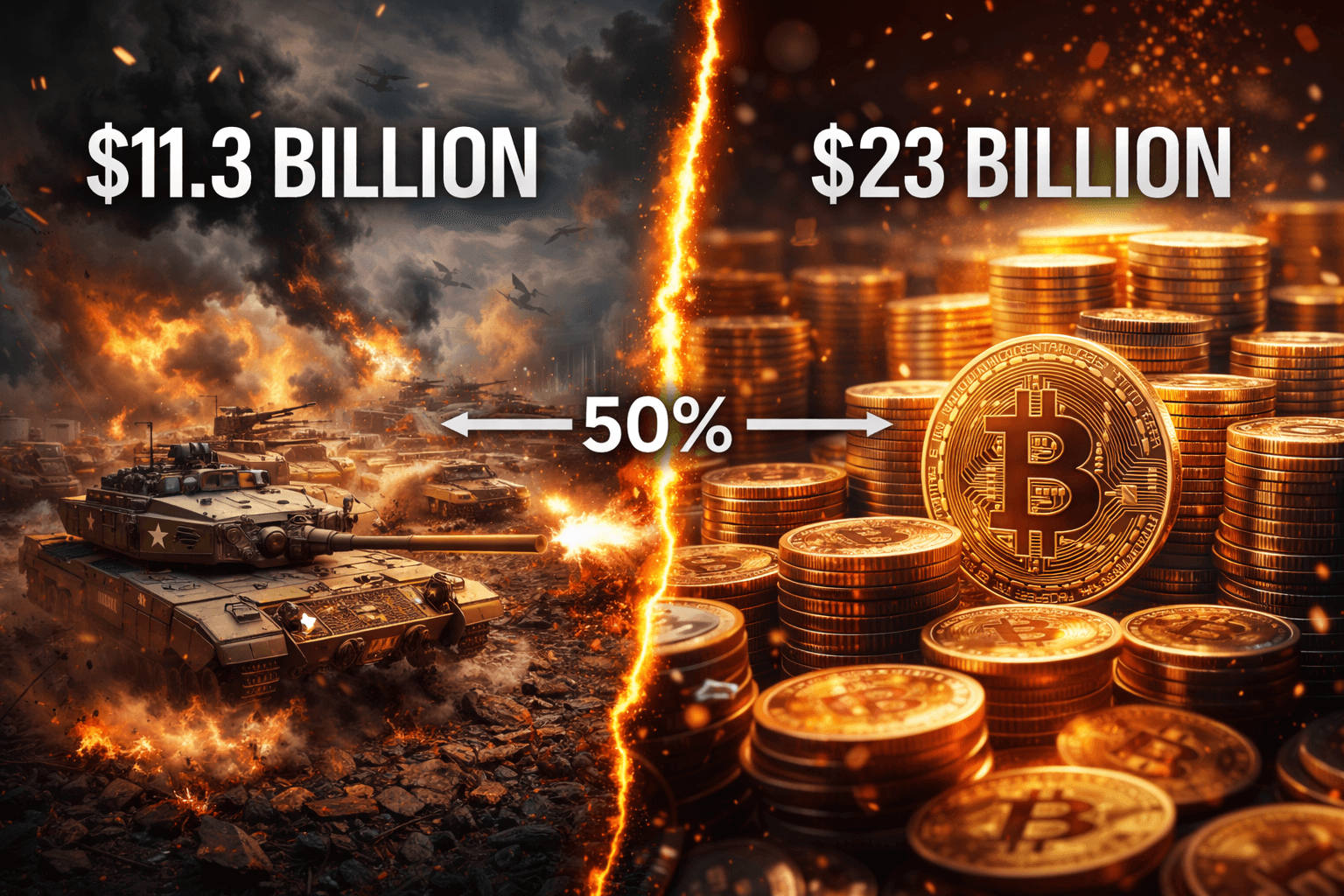
Iran War Spending Equals Half the Value of the U.S. Bitcoin Reserve in Just Six Days
1 min read · 14 Mar 2026

Prosecutors Push to Retry Tornado Cash Co-Founder Even as Washington Softens on Crypto Privacy
1 min read · 12 Mar 2026

Forget CPI and ETFs Oil Prices May Now Be the Biggest Signal for Bitcoin
1 min read · 8 Mar 2026

How SK Telecom Is Rebuilding Itself Around AI at MWC 2026
1 min read · 3 Mar 2026

Dubai and the UAE on the Frontlines: How the Iran Israel Conflict Has Reverberated Across a Global Hub
1 min read · 3 Mar 2026

US and Israel Military Strikes on Iran and the Escalation of Conflict in the Middle East
1 min read · 28 Feb 2026