

How Asian Innovation in Stablecoins and Digital Currency Infrastructure Is Shaping a New Financial Balance In 2025, Asia made significant strides toward building an alternative to the dollar-centric stablecoin ecosystem, creating a potential new axis of influence in global finance that could shift how cross-border payments, reserves, and digital currencies operate. While the West particularly […]
In 2025, Asia made significant strides toward building an alternative to the dollar-centric stablecoin ecosystem, creating a potential new axis of influence in global finance that could shift how cross-border payments, reserves, and digital currencies operate. While the West particularly the United States and Europe has spent years debating regulatory frameworks and policy approaches for cryptocurrencies and stablecoins, Asian markets led by nations like Japan, China, Singapore, South Korea, and parts of Southeast Asia have been quietly deploying real-world digital currency infrastructure and stablecoin initiatives that could rival the dominance of dollar-pegged digital assets.
The backdrop to this evolution is clear: the US dollar has long served as the world’s primary reserve currency and the backbone of international stablecoins, most notably those pegged to USD such as USDT, USDC, and BUSD. These dollar-linked tokens facilitate trillions of dollars in trading, settlement, and liquidity provisioning across crypto markets. Yet Asia’s multifaceted approach ranging from central bank digital currency (CBDC) pilots to regionally anchored stablecoins tied to local currencies or baskets of assets signals a shift toward a multipolar digital currency landscape.
One of the most advanced pillars of Asia’s strategy has been China’s digital yuan (e-CNY) project. The e-CNY a central bank digital currency issued by the People’s Bank of China has moved beyond pilot stages into broader transactional use. Given China’s scale and global trading connections, the digital yuan is being positioned not just as a domestic payment instrument but as a tool of cross-border settlement and financial connectivity within Asia and beyond. Meanwhile, other Asian jurisdictions have pursued regulated stablecoins pegged to their own currencies, or frameworks that encourage digital asset adoption while maintaining robust compliance and risk-management standards.
For example, Japan’s Financial Services Agency has taken measured steps to license and integrate regulated stablecoin issuers, often with a focus on yen-linked tokens that reinforce sovereignty while enabling broader digital settlement. Singapore, long a financial hub, has incubated a number of initiatives aimed at establishing multi-currency, compliant stablecoin frameworks that can interface with traditional finance. South Korea and parts of Southeast Asia have similarly developed regulatory sandboxes and digital payment corridors that support both CBDCs and regulated private stablecoins.
Collectively, these moves contrast with the West’s relatively cautious regulatory stance, where debates over classification, security vs. commodity status, and compliance obligations have slowed the pace of stablecoin and digital currency infrastructure deployment. While the West has robust financial markets and deep capital pools, the pace of innovation especially at the governmental and intergovernmental level has lagged compared with the coordinated, policy-driven advancement seen in large parts of Asia.
A crucial element of Asia’s strategy is its integration of digital currency frameworks with real-world economic activity. Rather than focusing solely on crypto markets as an asset class, Asian governments are tying digital currencies and stablecoins to practical financial needs such as remittances, trade finance, and cross-border transactions. For economies with large diaspora populations, high remittance flows, or significant digital commerce ecosystems, such integration represents a competitive advantage in efficiency and cost reduction.
The implications of this shift extend far beyond regional finance. A stablecoin or digital currency ecosystem not anchored to the US dollar, but instead supported by a consortium of Asian currencies or anchored to Asia’s own major economies, could offer an alternative settlement layer for international trade and capital flows. Such a system might reduce dependency on dollar-based stablecoins and the financial infrastructures that support them, reshaping liquidity dynamics across global markets.
Moreover, the rise of Asia-centric digital currency frameworks could influence geopolitics. Countries engaged in Belt and Road Initiative financing, intra-Asian trade agreements, or digital infrastructure partnerships may find non-dollar stablecoin systems more aligned with their economic interests. This trend could deepen financial ties within the region and create de-dollarization pressures not just in traditional markets but within the emerging digital economy itself.
Critics of a multipolar digital currency framework often point to fragmentation risks the idea that competing digital currency systems could create friction, inefficiency, or interoperability issues. However, proponents argue that a diversified digital currency environment can enhance resilience and competition, preventing any single economic bloc from exerting undue influence over global financial infrastructure. In this view, building a counterweight to the dollar-centric stablecoin ecosystem may be less about supplanting the dollar and more about creating balance, choice, and redundancy in digital settlement layers.
For Western policymakers and financial leaders, Asia’s quiet advancement serves as both a wake-up call and an opportunity. If the West accelerates regulatory clarity, infrastructure development, and innovation support, it could participate more fully in shaping the next era of digital currency frameworks rather than watching from the sidelines. As the digital currency space matures, the competition for influence, liquidity, and technical standards will likely intensify, with significant economic implications for investors, governments, and global institutions alike.
In summary, 2025 marked a pivotal year in which Asia’s digital currency efforts from CBDCs to regionally tailored stablecoin regimes began to form a cohesive counterweight to the US dollar’s stablecoin empire. Whether this trend eventually leads to a truly multipolar digital currency system remains to be seen, but the groundwork laid this year suggests that the balance of financial influence in the crypto era may be broader and more distributed than ever before.

Iran’s Five Demands Show This War Is Moving Further From Peace, Not Closer
1 min read · 25 Mar 2026

A $200 Billion Iran War Bill Shows Just How Big The Stakes Have Become
1 min read · 23 Mar 2026

War Between the U.S., Israel, and Iran Escalates as Conflict Enters Third Week
1 min read · 16 Mar 2026

Venice Biennale Under Fire Over Russian Presence
1 min read · 14 Mar 2026
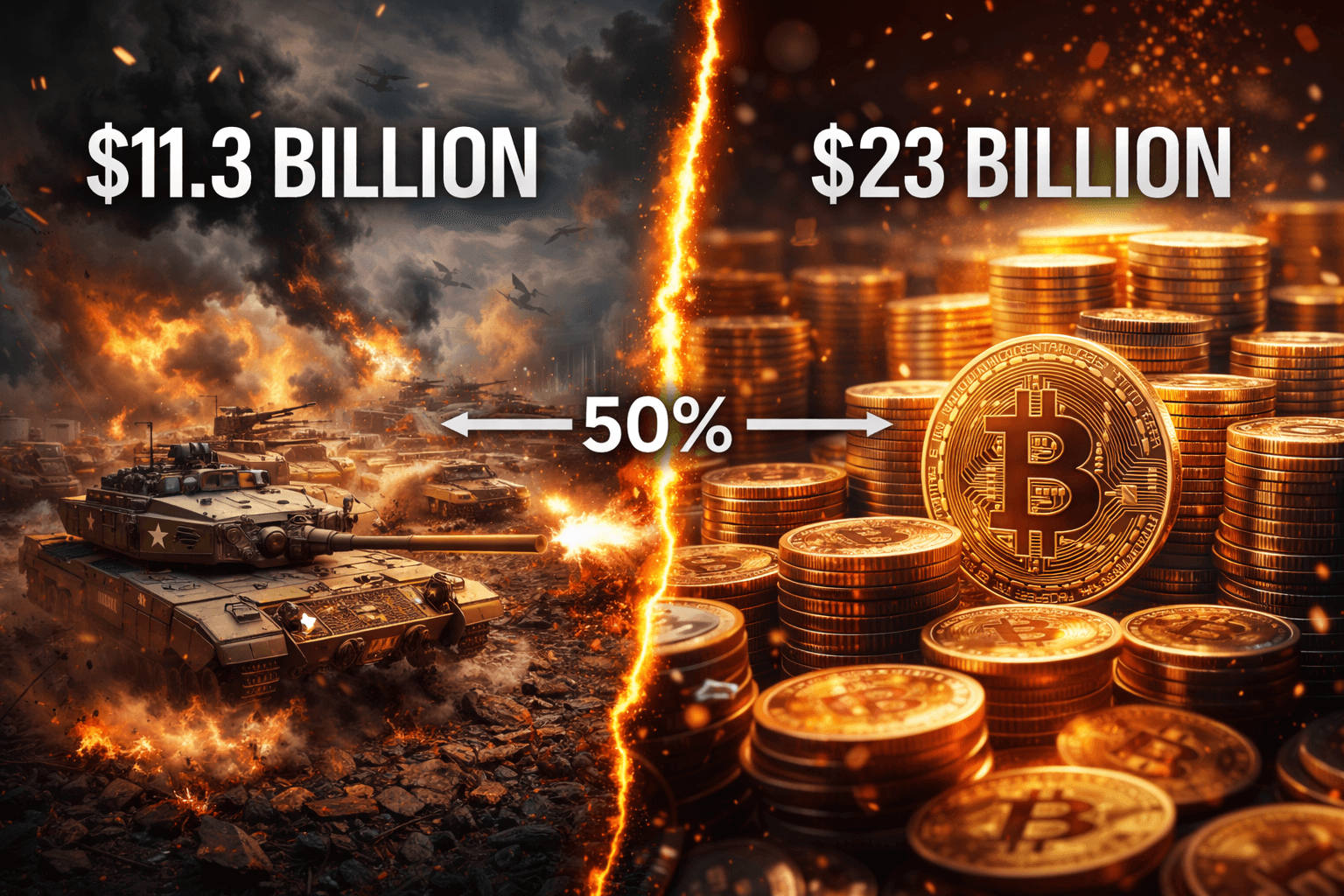
Iran War Spending Equals Half the Value of the U.S. Bitcoin Reserve in Just Six Days
1 min read · 14 Mar 2026

Prosecutors Push to Retry Tornado Cash Co-Founder Even as Washington Softens on Crypto Privacy
1 min read · 12 Mar 2026

Forget CPI and ETFs Oil Prices May Now Be the Biggest Signal for Bitcoin
1 min read · 8 Mar 2026

How SK Telecom Is Rebuilding Itself Around AI at MWC 2026
1 min read · 3 Mar 2026

Dubai and the UAE on the Frontlines: How the Iran Israel Conflict Has Reverberated Across a Global Hub
1 min read · 3 Mar 2026

US and Israel Military Strikes on Iran and the Escalation of Conflict in the Middle East
1 min read · 28 Feb 2026